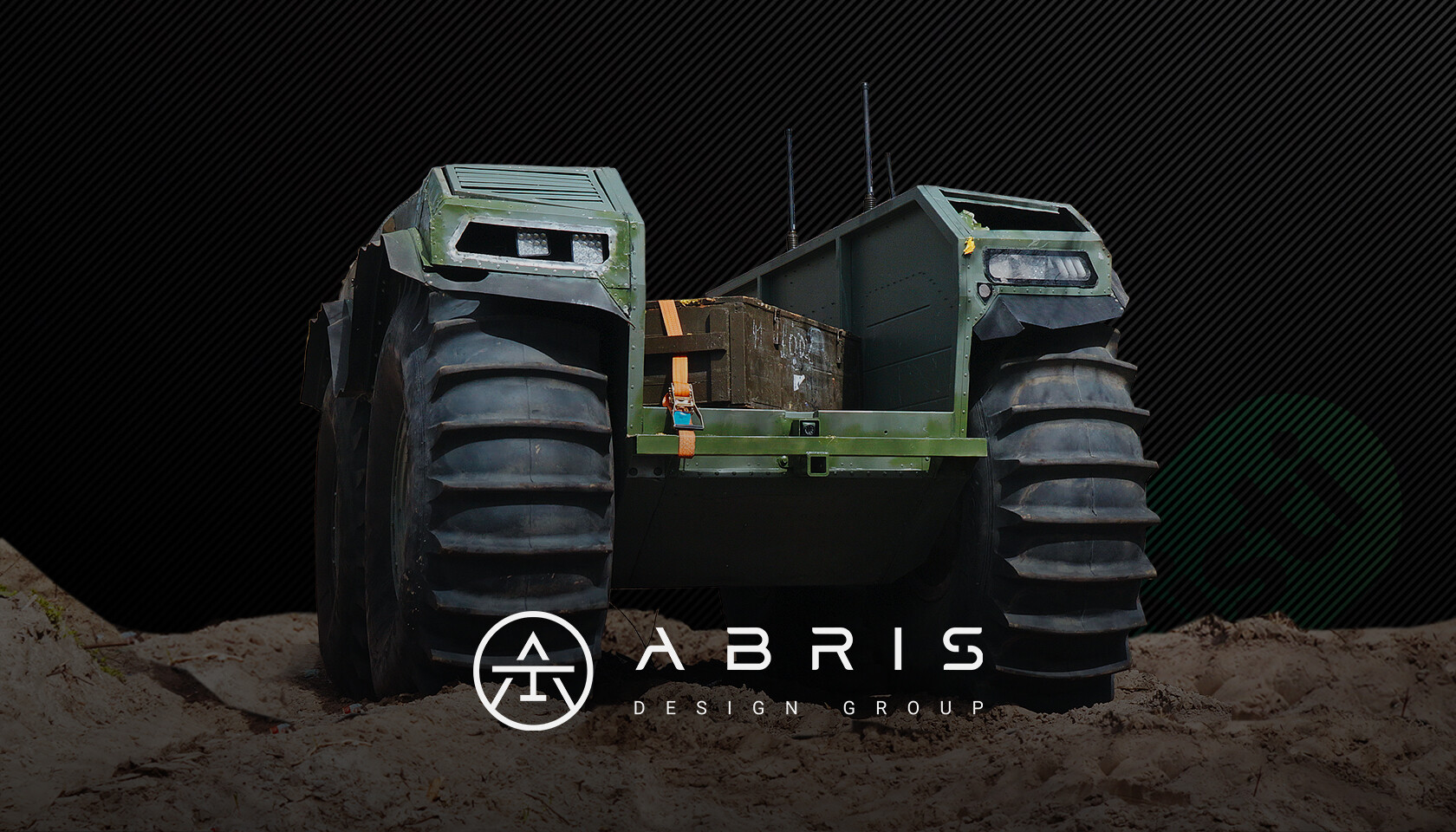
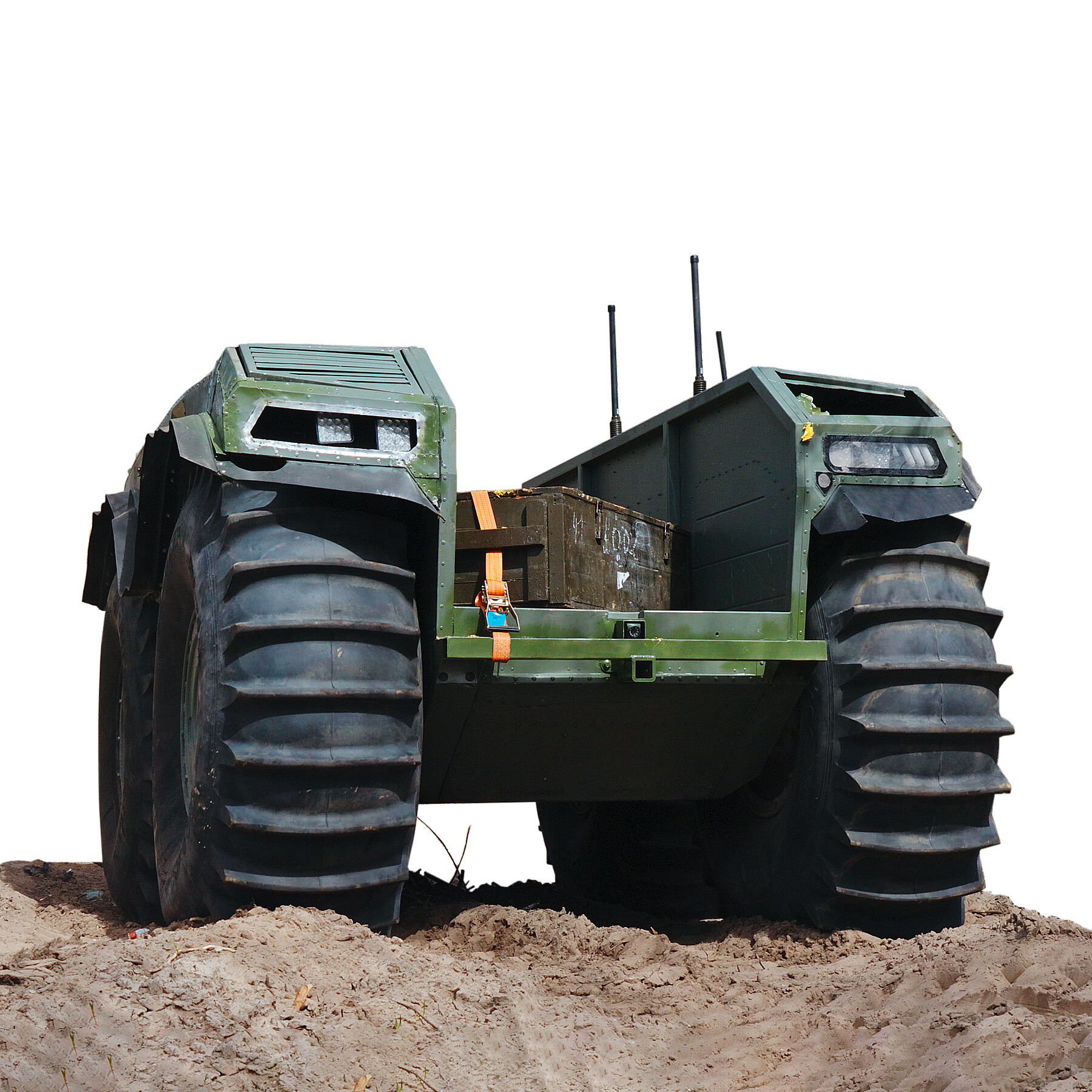

The Abris Unex UGV is more than an innovation in vehicle design—it’s a statement about how technology can protect human life while achieving mission success in the harshest environments. This rugged, remote-controlled electric amphibious platform is built for multi-terrain performance, designed to operate where ordinary vehicles fail and where sending human personnel would be too risky. From flooded battlefields and muddy construction zones to snow-covered supply routes and mine-threatened terrain, the Unex UGV delivers mobility, reliability, and security.
At the heart of its design are its massive high-buoyancy tyres, a defining feature that enables it to float and traverse across water, soft soil, and uneven ground with remarkable ease. But these tyres are not just for traction—they are a deliberate engineering choice for blast resistance. Capable of enduring the detonation of anti-personnel mines beneath its wheels without catastrophic failure, they make the Unex one of the few ground vehicles that can survive in heavily mined areas. This resilience ensures the mission continues even under extreme conditions, dramatically reducing the risk of casualties among human operators.
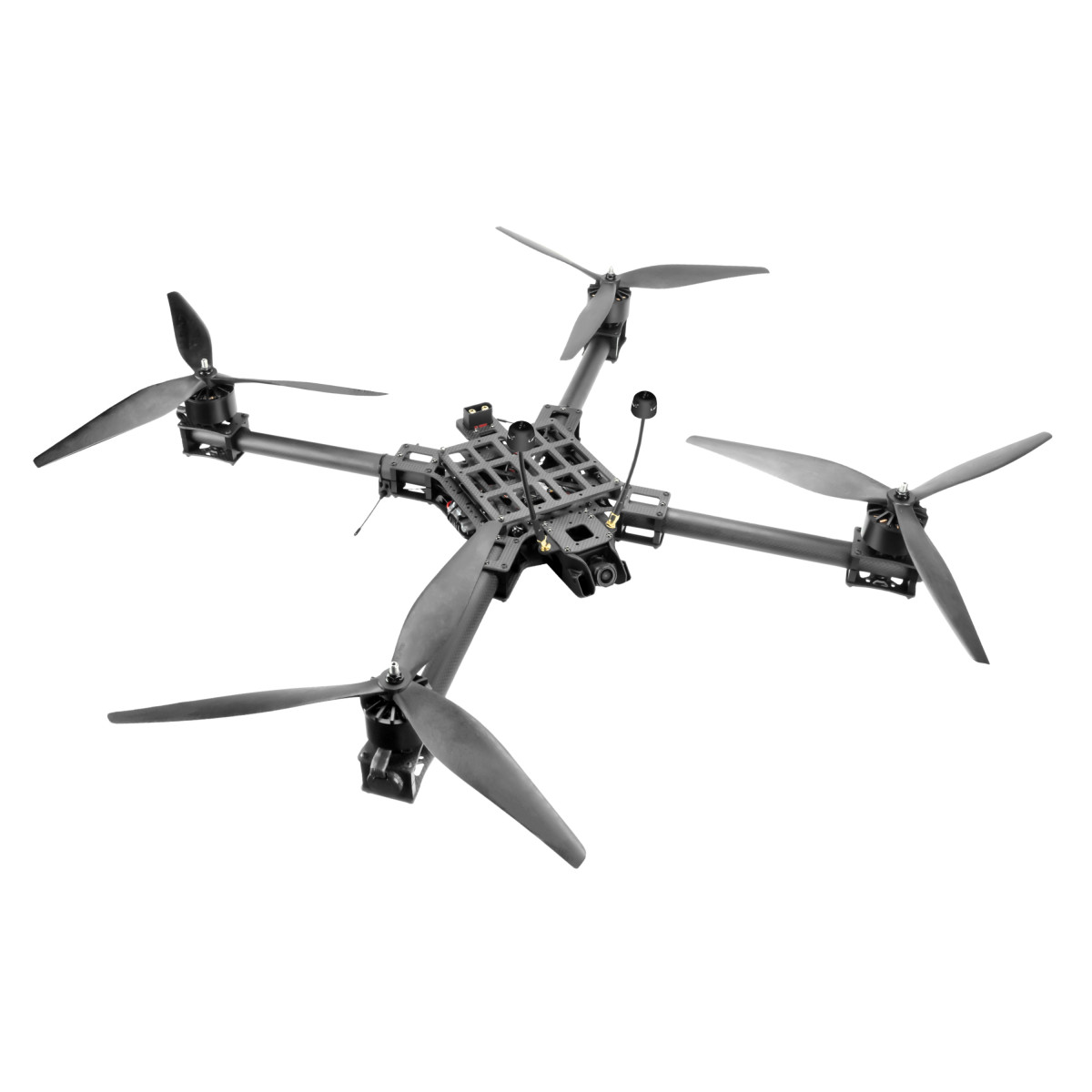
In modern warfare, unmanned ground vehicles have become indispensable. As the nature of conflict shifts toward drone-based and remote engagements, platforms like the Unex are redefining how missions are executed. They can carry supplies, deliver ammunition, evacuate injured soldiers, or scout enemy positions—all without exposing troops to direct danger. When paired with aerial drones, the Unex becomes part of a coordinated network of autonomous systems, capable of providing real-time ground data and physical support in sync with aerial surveillance. This synergy between air and ground robotics has transformed the tactical landscape, giving militaries the tools to maintain presence and control while keeping personnel out of harm’s way.
The Unex UGV’s fully electric drive system provides both tactical and environmental advantages. It’s virtually silent, reducing acoustic signatures that can give away a vehicle’s position—a critical factor in reconnaissance or covert missions. Its low heat output makes it less detectable by infrared systems, while the absence of traditional fuel systems reduces logistical complexity and risk of fire. These traits also make it perfectly suited for civilian applications, from disaster relief operations to industrial inspections in hazardous or contaminated zones.

In post-conflict areas or regions recovering from natural disasters, the Unex can be deployed for humanitarian and recovery tasks. It can safely explore unstable terrain, transport food, medical kits, and tools, or assist in locating survivors without risking rescue workers’ lives. Because it’s amphibious and autonomous, it can cross rivers, flooded streets, and landslides that would otherwise block conventional access. These same qualities make it ideal for industrial operations like mining, oil exploration, and infrastructure inspection—especially where terrain or safety hazards would limit human involvement.
Another defining strength of the Unex is its modular design. Its platform can be reconfigured quickly to meet mission demands: one day it can carry a reconnaissance payload of cameras and sensors; the next, it can serve as a logistics transporter or a medevac vehicle. This flexibility makes it an economical and versatile investment for both defence and commercial sectors.
Ultimately, what the Abris Unex UGV represents is the evolution of human protection in an increasingly automated age. The technology behind it isn’t just about power or endurance—it’s about responsibility. By replacing human exposure with robotic precision, the Unex helps to preserve lives while extending capability. In conflicts, crises, and challenges where the environment itself becomes an enemy, the Unex stands as a new breed of ally—tireless, adaptable, and unyielding.
It’s vehicles like the Unex UGV that define the future of safe, intelligent ground mobility. They don’t just carry equipment—they carry the promise of fewer casualties, greater operational reach, and a more sustainable approach to how we engage with dangerous environments.