

Drones have moved from niche recon toys to a central component of modern military strategy: surveillance, precision strike, logistics, maritime patrol and — increasingly — low-cost mass attrition through swarms and loitering munitions. The sector is growing quickly and defence buyers are buying whole capability stacks (airframes, sensors, comms, autonomy, and counter-UAS systems) rather than single components — which changes how distributors should position themselves. 
Defence drones have rapidly become one of the most transformative technologies in modern warfare. What was once experimental is now a cornerstone of national defence and strategic deterrence. The demand for drones across intelligence, surveillance, reconnaissance and even strike missions has accelerated to a level where governments, integrators, and OEMs are all racing to develop and procure systems that are more autonomous, more resilient, and more connected. For distributors like i-disti, understanding this shift isn’t just about keeping up with product trends – it’s about knowing where real opportunities lie in the supply chain.
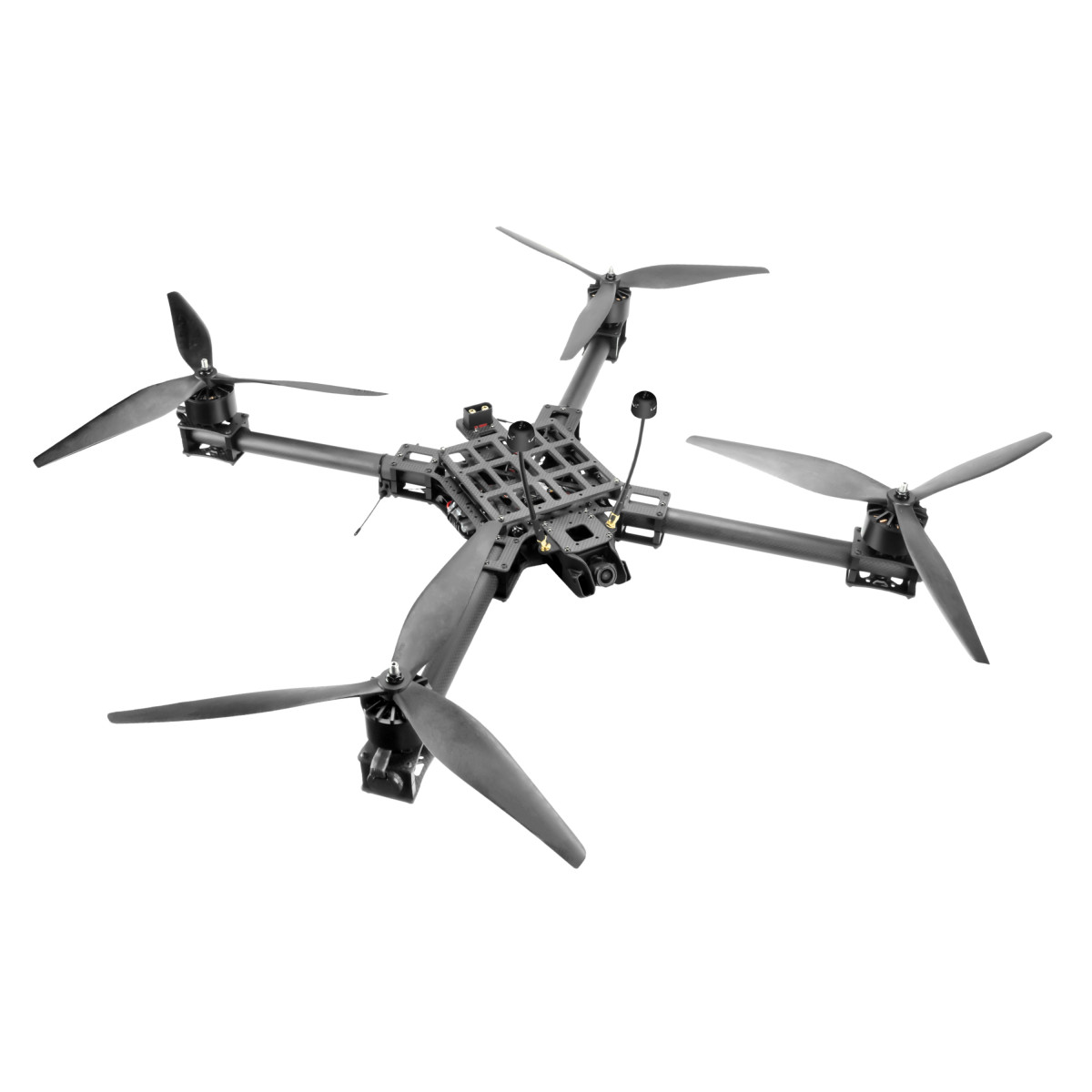
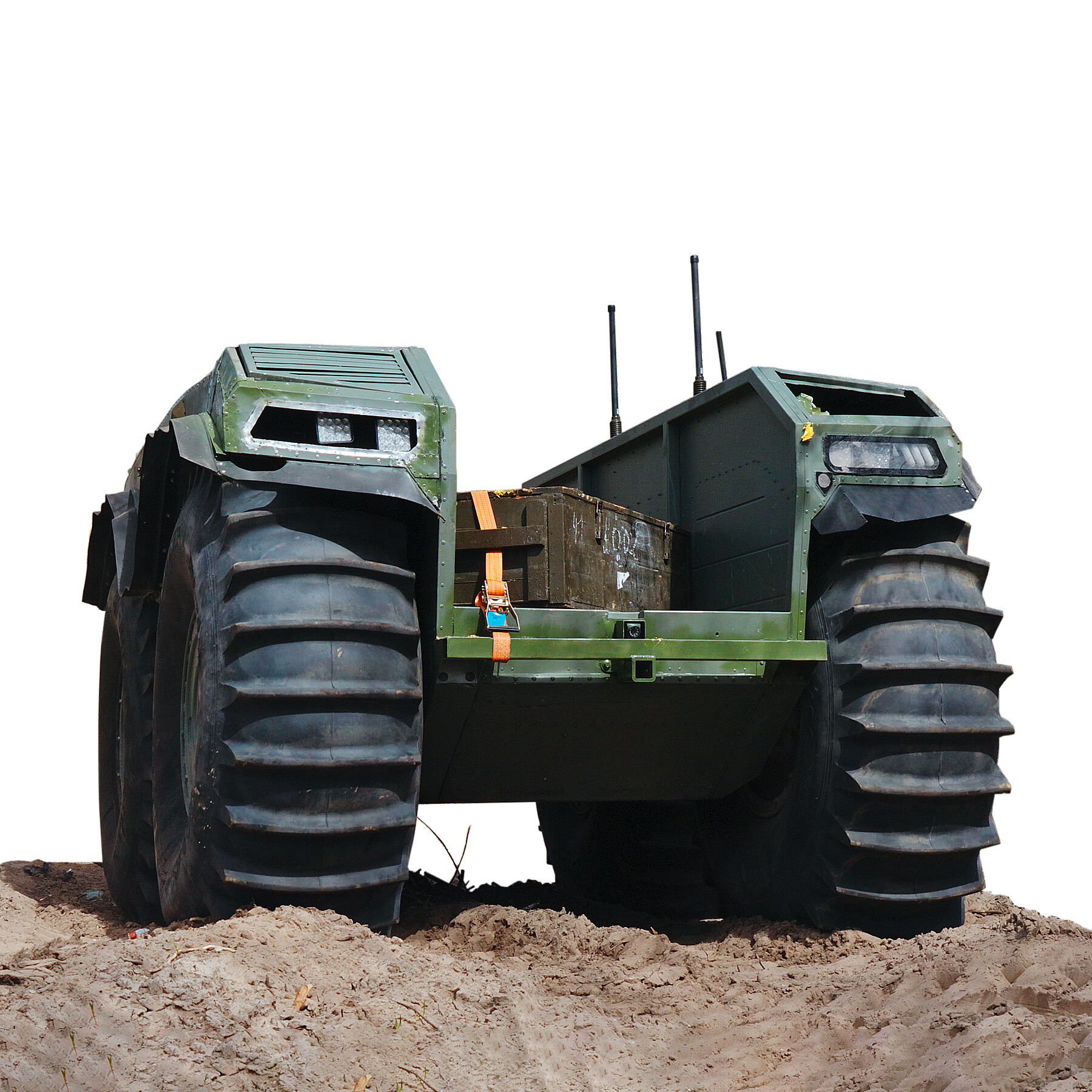
Defence drones now come in several main categories, each designed with specific missions in mind. The most common are ISR (Intelligence, Surveillance and Reconnaissance) drones – fixed-wing or multi-rotor aircraft fitted with optical and infrared sensors, LIDAR, or radar systems. These provide real-time data to military and border agencies and are in high demand for long-endurance observation. Then there are FPV (First Person View) or kamikaze drones – small, agile and low-cost systems used for precision strikes. Loitering munitions take this a step further, acting as autonomous weapons that circle above a target area until commanded to strike. Swarm-capable drones represent the cutting edge, using distributed AI and networked communications to operate collectively. Maritime and logistics drones are another fast-growing area, performing shipboard ISR, resupply, and port security tasks that were once manpower-heavy operations.
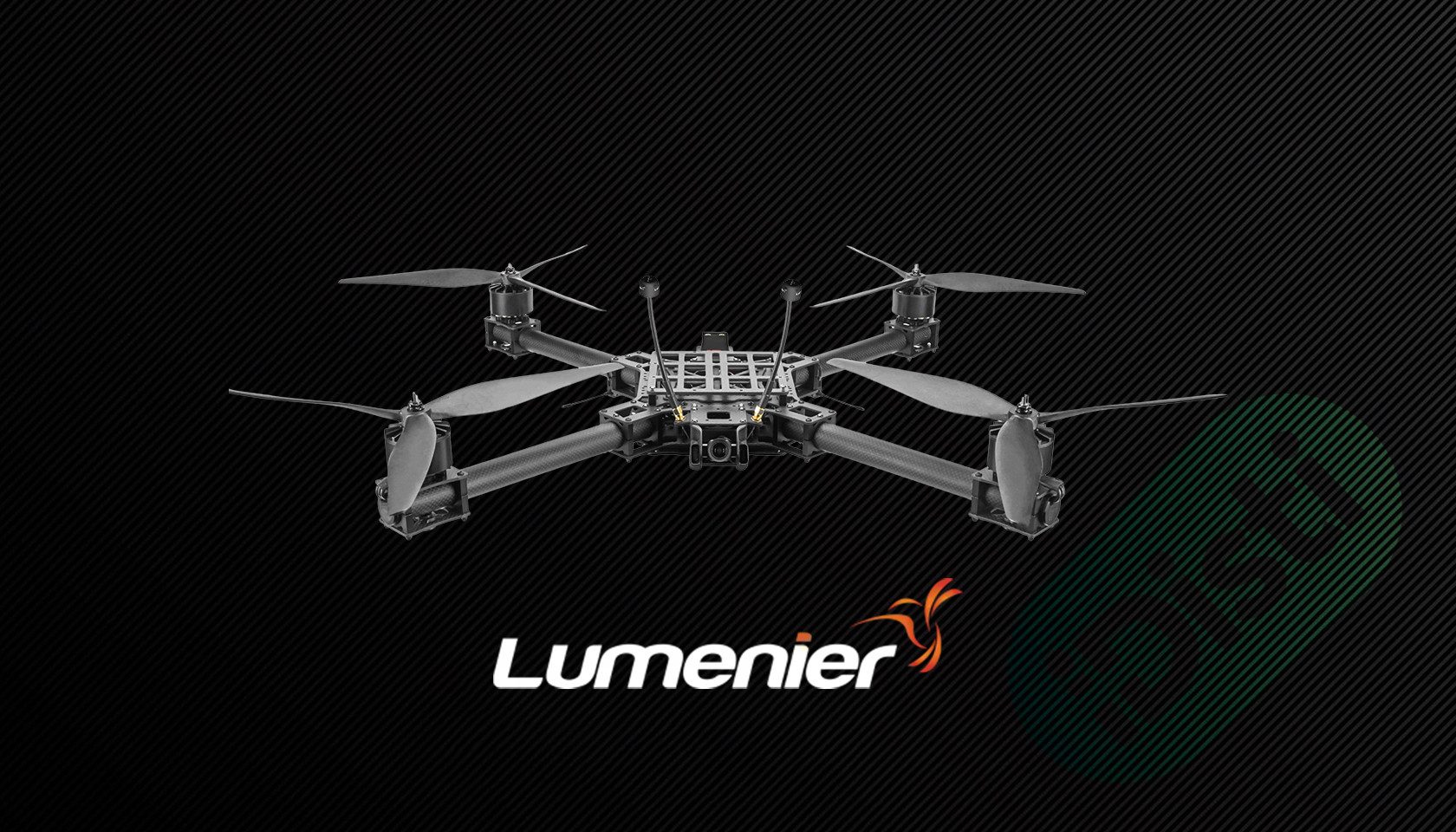
The technology that supports all of this is what truly drives the market. Buyers are looking for autonomy and onboard AI to manage missions with minimal operator input. Secure communications and datalinks that can withstand jamming or interference are crucial, especially in contested environments. Payloads and sensors – the cameras, radars and multispectral systems that give drones their “eyes” – remain high-margin products, often upgraded frequently as capabilities improve. Power systems such as batteries and hybrid propulsion are another major area of development, as endurance remains one of the greatest challenges in drone design. Alongside this sits the rapidly expanding field of counter-UAS technology – radar detection, RF tracking and signal disruption systems designed to neutralise enemy drones before they become a threat.
Recent conflicts have proven the importance of these technologies. Low-cost drones have been used in large numbers to devastating effect, changing tactical planning and procurement priorities around the world. The lessons from these wars are clear: drones are not just tools for surveillance but decisive weapons and defensive assets. As a result, governments are shifting from buying one-off drone systems to funding integrated drone and counter-drone programs, ensuring their forces can both use and defend against this technology.
There are also important legal and ethical considerations that affect how defence drones are supplied and used. International humanitarian law continues to wrestle with questions around lethal autonomous functions, accountability and proportionality. Export controls, especially those governed by ITAR and UK export licensing, are tightening as drone components are classified as dual-use technologies. Supply chain security is another concern – verifying the provenance of hardware and ensuring firmware is tamper-proof has become a key selling point for both government and private sector buyers.
For i-disti, this is where real value can be created. Defence buyers are not only purchasing equipment; they are seeking integrated, compliant and supported systems. That means the best distributors will move beyond simply selling parts and start offering modular capability stacks: an airframe, payload, datalink and control system, bundled with lifecycle support. Providing export and compliance assistance is another opportunity – helping customers with paperwork, ITAR compliance and end-use verification can shorten sales cycles and make i-disti an indispensable partner. Post-sale support and training are equally important. Drones have high maintenance and operational demands, which means spare kits, replacement batteries, and firmware updates represent recurring revenue.
Another strategic area is counter-UAS technology. Many clients who buy drones also need protection against them. Stocking radar, RF detectors, and signal-jamming systems enables i-disti to offer comprehensive “airspace security” packages. Emphasising secure firmware and verified provenance adds credibility, especially as concerns grow about counterfeit or compromised equipment entering the defence supply chain. Expanding into civilian crossover sectors – such as port authorities, critical infrastructure protection and industrial surveillance – can also open up steady demand without the same political or export sensitivities.
It’s important to acknowledge the downsides as well. Defence drone technology evolves so fast that some models can become obsolete within a year. Political sensitivities and export restrictions can stop deals unexpectedly, and reputational risks exist when systems are associated with offensive weaponry rather than surveillance or defence. Maintaining flexibility in inventory and focusing marketing on ISR, logistics and protection roles can help reduce these risks.
For i-disti, the next practical steps are clear. Identify a small number of reliable manufacturers who specialise in secure datalinks, EO/IR payloads and counter-UAS sensors. Create bundled product packages that demonstrate full capability – for example, an ISR starter kit and a site protection kit. Provide clients with compliance and export documentation as standard, and build recurring revenue through spare parts and support contracts.
Defence drones are no longer experimental technology – they are essential assets in every modern military’s toolkit. The supply chain is maturing fast, and distributors who adapt to this shift by offering integrated solutions, compliance support and reliable aftercare stand to gain the most. It’s an opportunity for i-disti to position itself not just as a parts supplier, but as a trusted systems partner in one of the fastest growing segments of the defence industry.


