
Unmanned Ground Vehicles (UGVs) are rapidly becoming a vital asset in both defence and industrial sectors. Designed to operate without an onboard human presence, these systems can perform a wide range of tasks — from reconnaissance and logistics to hazardous material handling — with exceptional precision and safety. As automation and remote operation technologies advance, the line between manned and unmanned field capability continues to blur, giving organisations greater efficiency, resilience, and tactical flexibility.

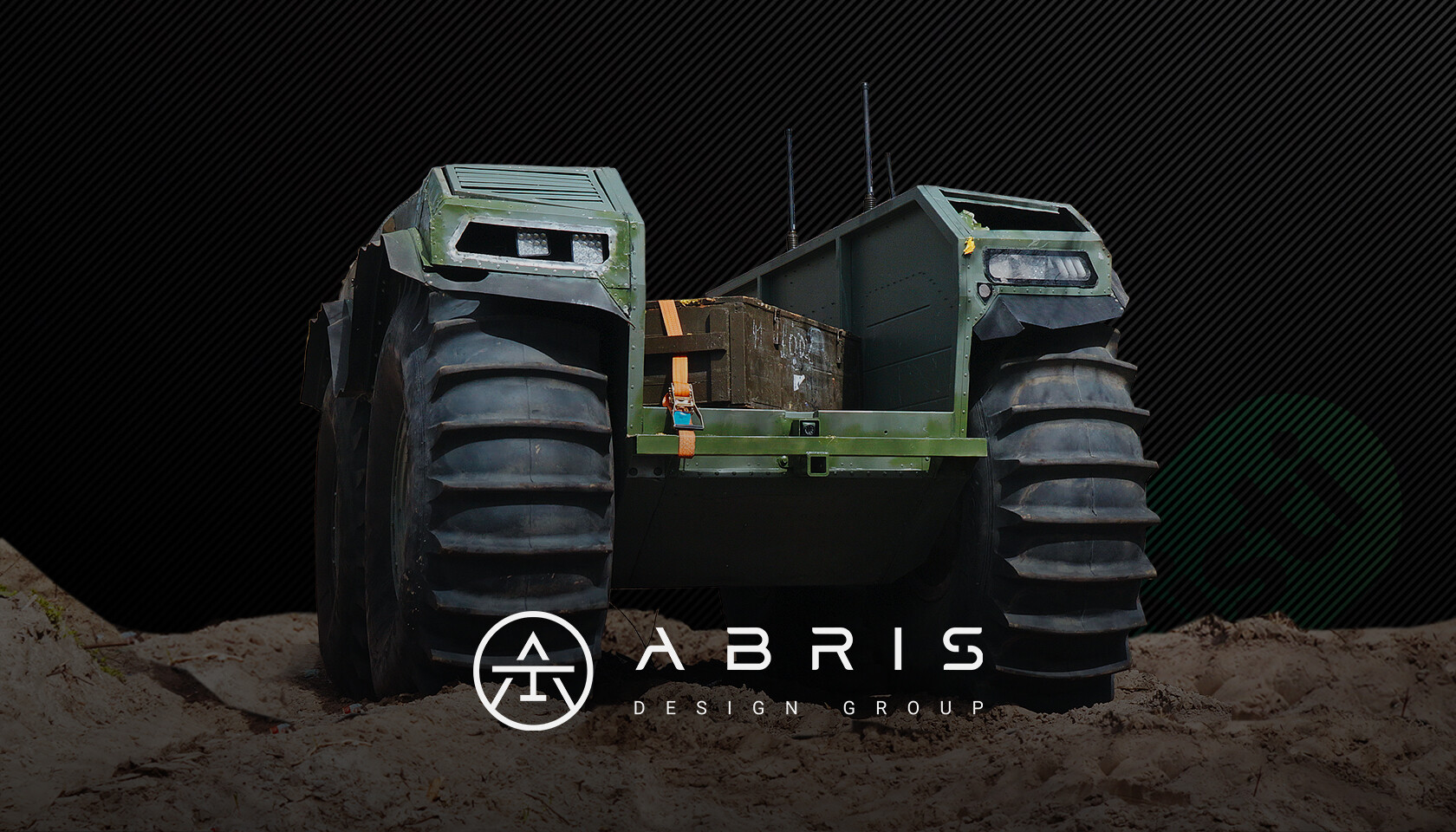
The Abris Unex Unmanned Ground Vehicle

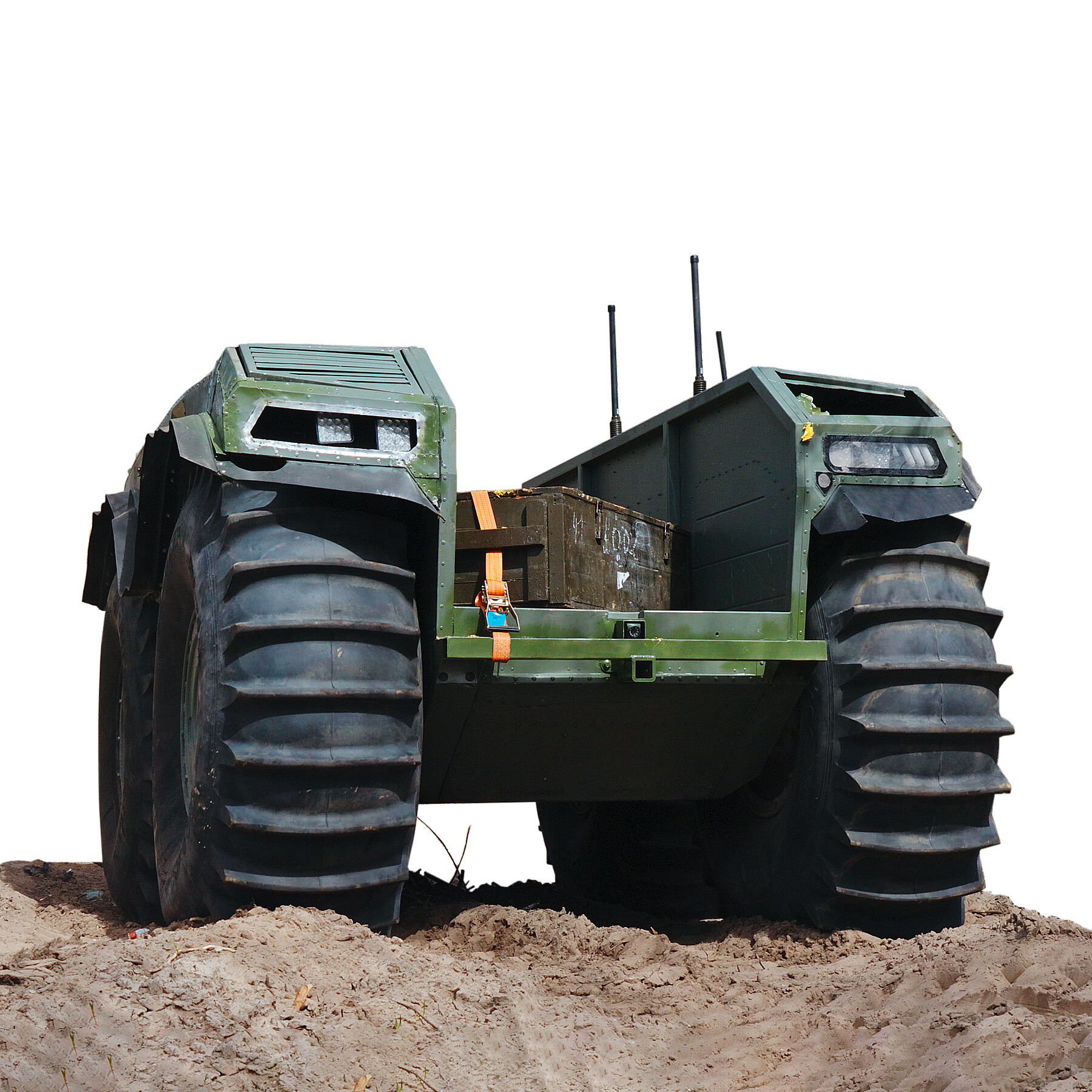
The Abris Unex Unmanned Ground Vehicle

The Abris Unex Unmanned Ground Vehicle
Versatility Across Environments
UGVs excel in environments where it is unsafe, inefficient, or impractical to deploy human personnel. In the defence sector, these vehicles are used for surveillance, explosive ordnance disposal, and battlefield resupply. Their ability to traverse rough terrain and operate in all weather conditions makes them indispensable in high-risk missions.
In industrial settings, similar technologies are being adapted for perimeter inspection, maintenance support, and transport of materials in hazardous zones. The ability to integrate advanced sensors — including LiDAR, infrared cameras, and chemical detectors — allows UGVs to gather and relay crucial real-time data for analysis and decision-making.
The Rise of Smart Autonomy
Modern UGVs now incorporate artificial intelligence and adaptive control systems that enable semi-autonomous or fully autonomous operation. This means they can navigate complex routes, avoid obstacles, and perform assigned tasks with minimal operator input. Such systems reduce manpower requirements and ensure consistent, repeatable operations even under extreme conditions.
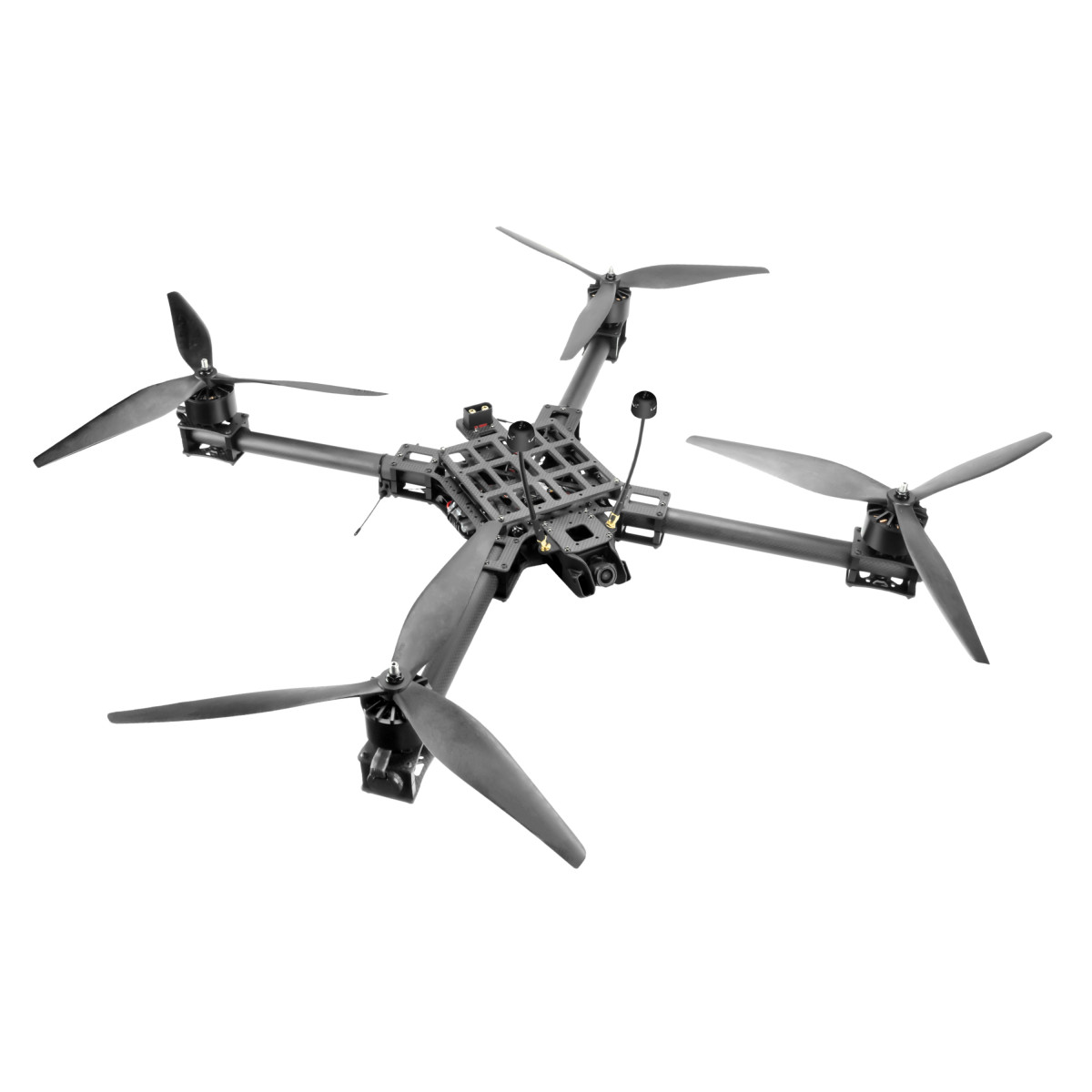
Remote operation capability has also evolved significantly. High-bandwidth communications allow operators to control and monitor UGVs from a secure distance, enhancing situational awareness and mission safety. When paired with drones or unmanned aerial systems (UAS), these vehicles form part of a coordinated autonomous ecosystem capable of multi-layered intelligence gathering.
Introducing the Abris Unex UGV
Among the latest developments in this field is the Abris Unex UGV, available through i-disti. Built for robust performance and adaptability, the Unex is designed to meet the demanding needs of both defence and industrial users. It combines high payload capacity with modular construction, allowing it to carry diverse sensor suites, communication systems, or mission-specific equipment.
The Abris Unex offers superior off-road mobility, powered by an efficient drivetrain and advanced suspension system. It can be operated remotely or configured for autonomous missions, depending on operational requirements. Its design emphasises ease of maintenance, rapid deployment, and reliable performance in harsh environments — all critical factors for field operations.
For organisations seeking to enhance their ground-based robotics capability, the Abris Unex UGV represents a dependable, proven platform that can be tailored to multiple use cases — from reconnaissance to logistics and perimeter monitoring.