

The development of unmanned ground vehicles is entering a phase where these machines are no longer simply tools, but integral components of complex operational systems. Across defence, industrial, and commercial sectors, UGVs are being deployed to perform tasks that are too dangerous, repetitive, or inaccessible for humans. The combination of AI-driven navigation, advanced sensor arrays, and rugged engineering means these vehicles can operate autonomously in environments ranging from factory floors to rugged outdoor terrains. As capabilities continue to improve, organisations are recognising the potential of UGVs to increase efficiency, reduce risk, and enable smarter decision-making.
In military operations, unmanned ground vehicles have demonstrated their ability to carry out surveillance, reconnaissance, and supply missions with minimal human oversight. They can traverse hazardous zones, gather critical intelligence, and even transport essential equipment, reducing exposure to danger for personnel. In commercial and industrial contexts, UGVs are being applied to inspection of infrastructure, precision agriculture, and automated logistics. By handling physically demanding or high-risk tasks, these vehicles allow human operators to focus on strategic planning and oversight, improving overall productivity and operational safety.
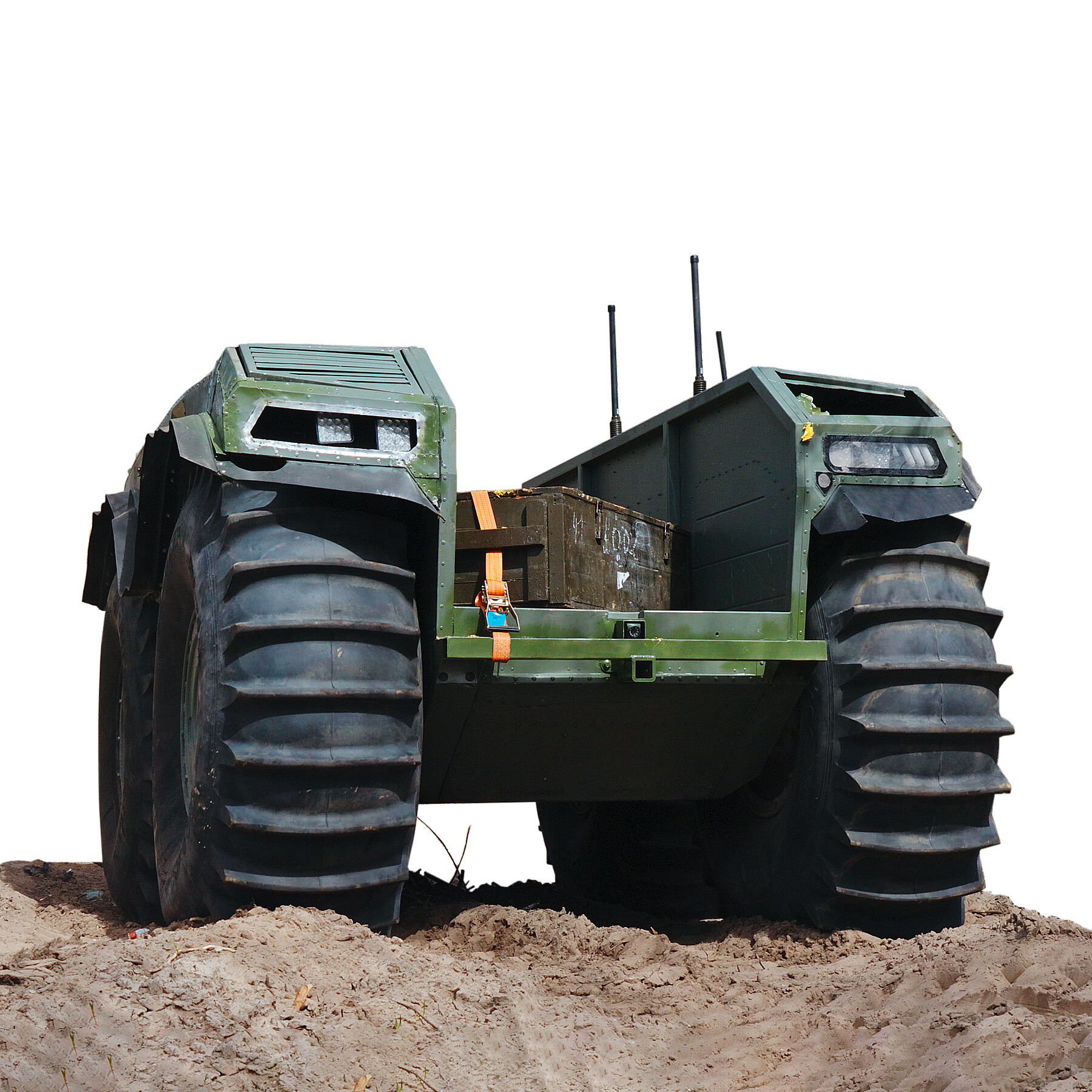
A standout example of modern UGV technology is the Abris Unex, a versatile platform we supply at i-Disti. The Abris Unex is designed to adapt to a wide variety of missions thanks to its modular architecture and payload flexibility. From surveillance and environmental monitoring to experimental testing and logistics support, the vehicle can be configured to meet specific operational requirements. Its integrated sensor suite, autonomous navigation capabilities, and resilient mobility systems make it a reliable choice for both indoor and outdoor operations, demonstrating the practical potential of unmanned ground vehicles today.
The adoption of UGVs also brings significant advantages in terms of safety and risk management. Equipped with LiDAR, high-resolution cameras, and advanced AI algorithms, vehicles like the Abris Unex can detect obstacles, analyse their environment, and execute tasks without direct human intervention. This capability is particularly valuable in environments where the consequences of human error are high, such as hazardous industrial sites or military operations. By automating these processes, UGVs not only reduce operational risk but also increase the efficiency and precision of complex tasks.
Looking forward, the evolution of unmanned ground vehicles will be closely tied to improvements in artificial intelligence, autonomy, and collaborative operations. Future platforms are expected to operate in fleets, coordinating with other UGVs, drones, and robotic systems to complete complex missions with minimal human input. Real-time data sharing, predictive analytics, and adaptive learning will allow these vehicles to respond dynamically to changing conditions, making them highly effective in disaster response, defence, and large-scale industrial applications. The Abris Unex UGV is an example of a system already capable of bridging the gap between current operational needs and the autonomous capabilities of the future.
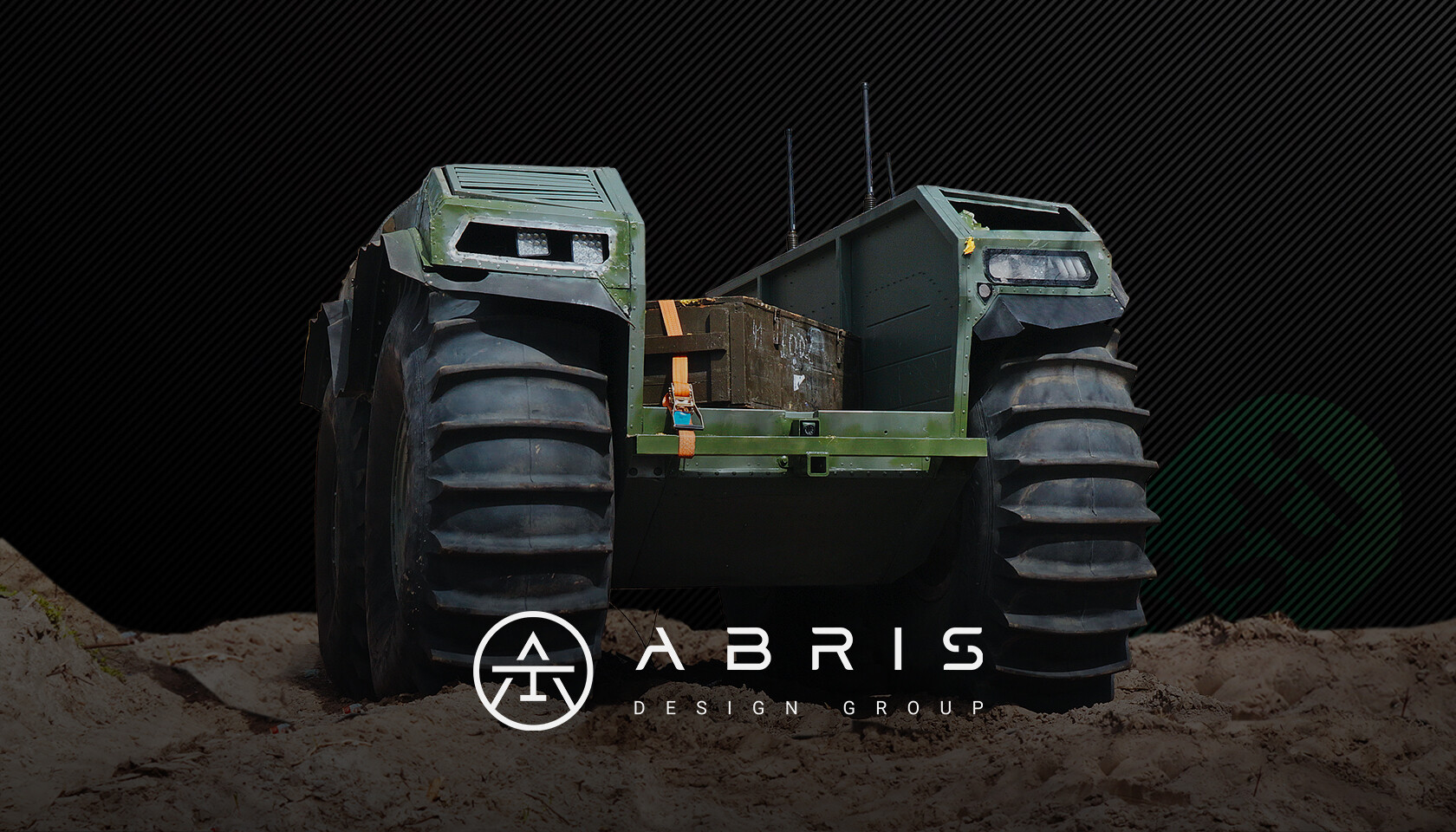
abris brand unmanned ground vehicles
The expansion of UGVs into new sectors and applications will continue to be driven by technological innovation and practical necessity. Longer operational endurance, enhanced AI, and improved sensor integration will enable unmanned ground vehicles to perform increasingly complex missions reliably and efficiently. Suppliers like i-Disti play a pivotal role in bringing these solutions to organisations, ensuring platforms like the Abris Unex are deployed effectively and safely. By equipping teams with advanced UGV technology, businesses and defence organisations can unlock new levels of operational capability, transforming workflows and redefining what is possible with autonomous systems.
The future of unmanned ground vehicles is one of growing sophistication, autonomy, and operational integration. Platforms such as the Abris Unex demonstrate how versatile, intelligent, and robust these systems can be, serving as key enablers for safer, more efficient, and more productive operations across multiple sectors. As technology continues to advance, UGVs will take on increasingly autonomous responsibilities, work collaboratively with other unmanned systems, and redefine the landscape of modern operations, making them an essential component of the industries and defence strategies of tomorrow.


