
Casualty evacuation remains one of the most dangerous and logistically challenging operations on the modern battlefield. Under fire or in contaminated environments, reaching and recovering wounded personnel exposes medics and support units to extreme risk. As defence forces increasingly prioritise force protection and operational efficiency, Unmanned Ground Vehicles (UGVs) are emerging as a transformative solution for safe, rapid, and reliable casualty evacuation (CASEVAC).
Reducing Risk to Personnel
In conventional scenarios, battlefield medics must often move into open terrain or urban areas under threat to recover injured soldiers. UGVs dramatically change this dynamic. Controlled remotely from a safe position, these autonomous or semi-autonomous vehicles can be deployed immediately after an incident to reach casualties without exposing additional personnel to danger.
Equipped with stretchers, medical compartments, or robotic arms, UGVs can retrieve or transport the wounded from hostile zones to field medical points or armoured evacuation vehicles. This not only reduces combat fatalities but also helps sustain operational tempo by keeping human responders out of direct harm.

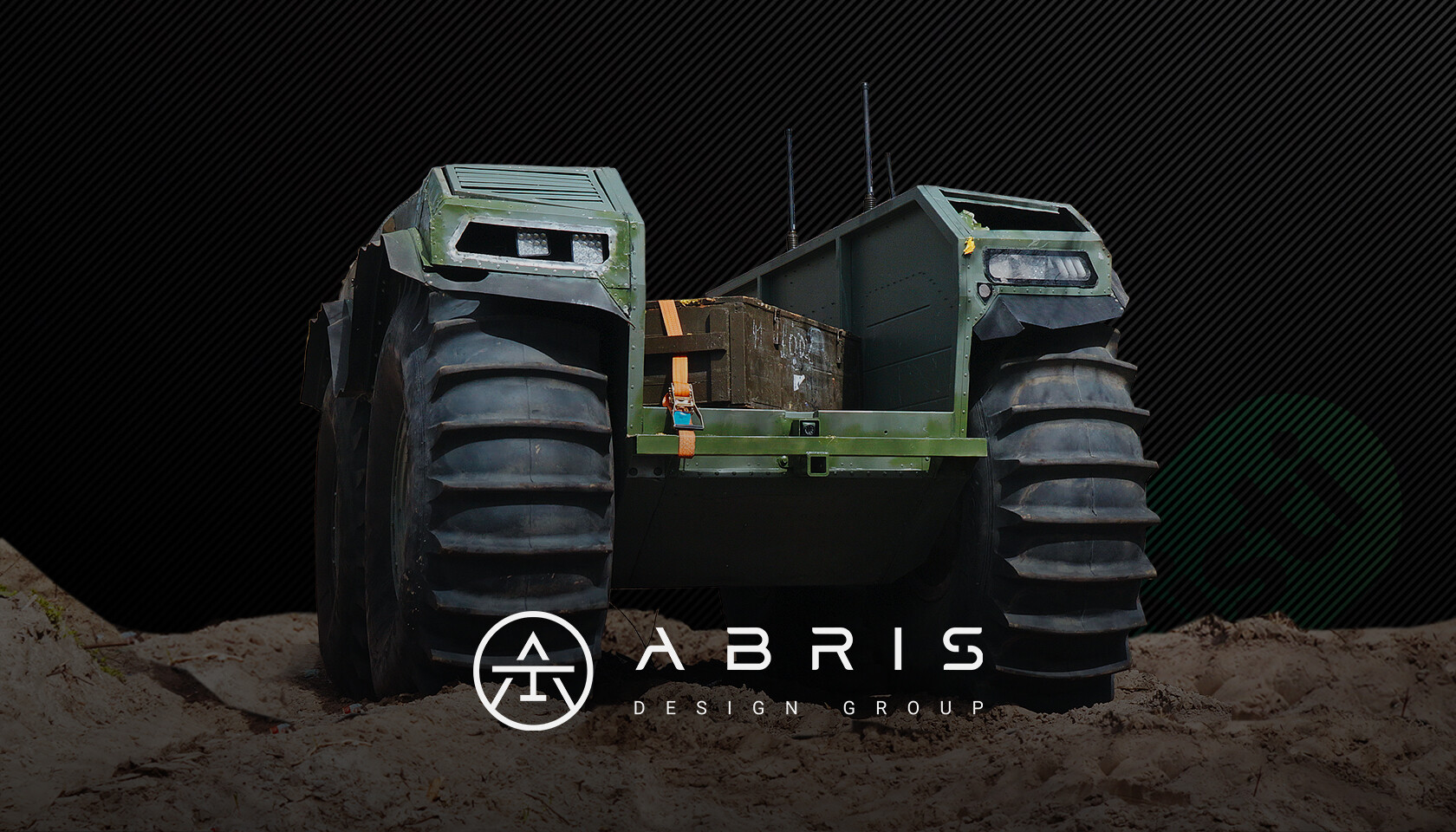
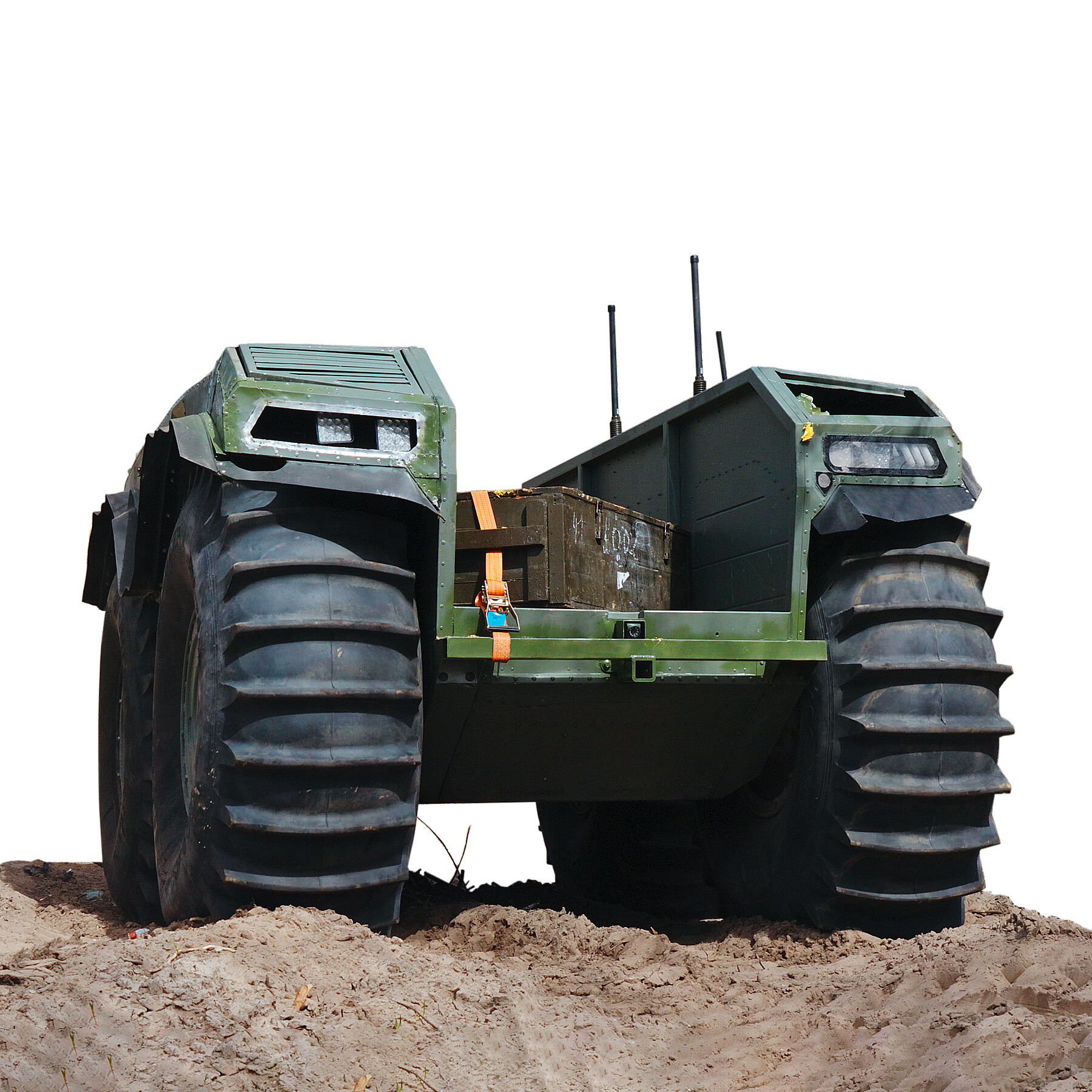
The Abris Unex UGV
Speed, Endurance, and Adaptability
UGVs designed for CASEVAC must operate across diverse terrain conditions — from mud and sand to rubble and snow — while carrying heavy payloads. Modern systems are built with powerful drivetrains, low centres of gravity, and intelligent suspension to maintain balance and traction even when transporting injured personnel or equipment.
Many models now incorporate AI-assisted navigation, obstacle detection, and GPS waypoint control, allowing the operator to focus on the medical mission rather than the vehicle’s pathfinding. This level of autonomy ensures that UGVs can move efficiently through complex or partially mapped environments where human mobility would be limited.
Ideal Solution: The Abris Unex UGV
The Abris Unex UGV, available through i-disti, represents an ideal platform for casualty evacuation operations. Its robust modular design allows it to be rapidly configured for medical or logistics use, with the ability to transport wounded personnel on stretchers or carry medical supplies into the field.
Built to withstand the rigours of combat environments, the Abris Unex UGV offers:
• High payload capacity for personnel and equipment.
• Exceptional off-road mobility, handling steep gradients and uneven ground.
• Remote or autonomous operation, minimising operator exposure.
• Customisable modular deck, allowing rapid role adaptation — from CASEVAC to reconnaissance or supply.
Because of its durable chassis, high endurance, and straightforward field servicing, the Abris Unex can remain operational even in harsh conditions where traditional vehicles or manned units would struggle. This makes it an invaluable tool for military units seeking to integrate robotics into tactical medical response.
The Future of Combat Medical Support
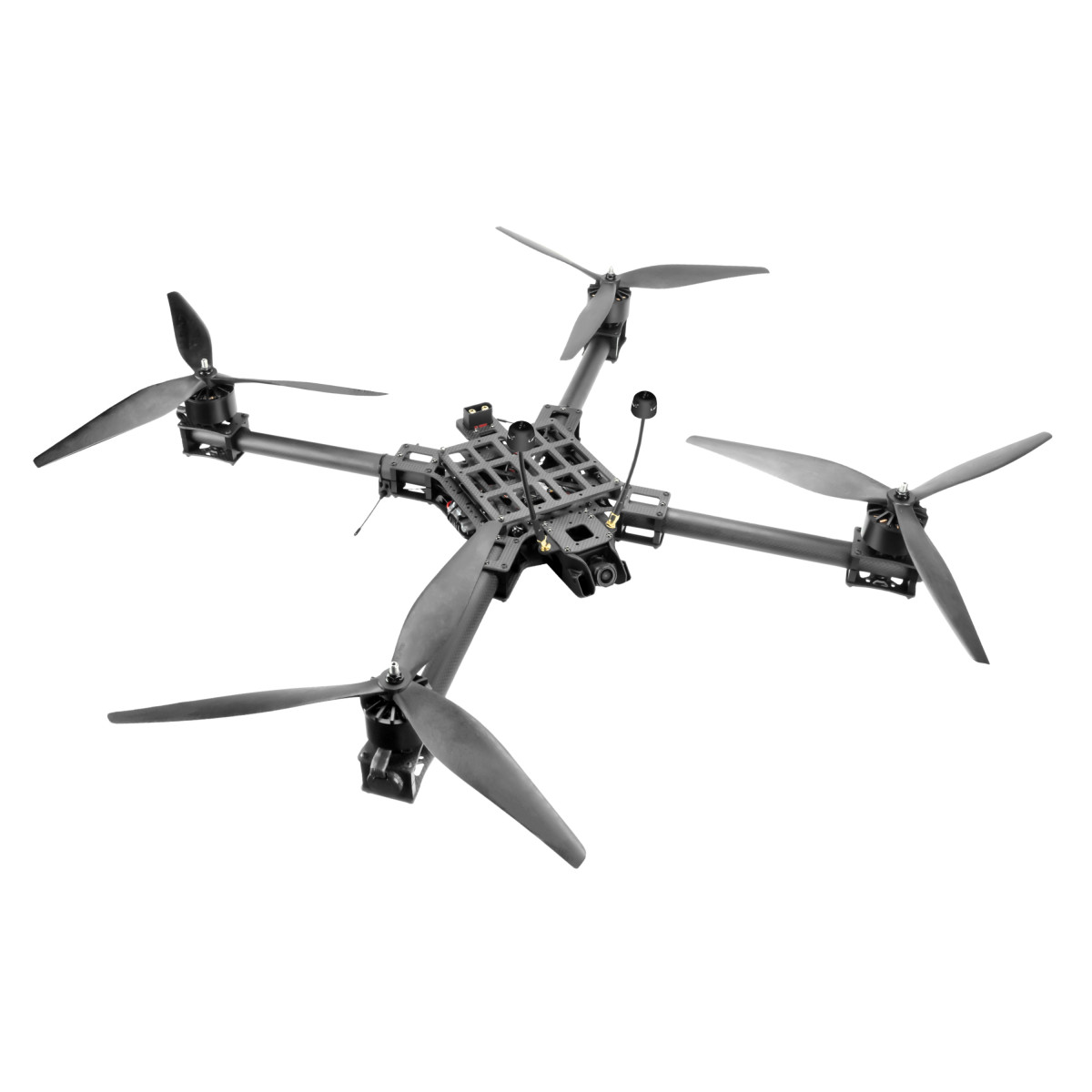
As modern forces continue to adopt robotic systems, UGV-based casualty evacuation will likely become standard practice. The benefits are clear — reduced risk to medics, faster extraction times, and greater survivability for wounded soldiers. Integrating vehicles like the Abris Unex UGV into existing command-and-control systems ensures that autonomous CASEVAC operations can be coordinated alongside UAV reconnaissance, enhancing overall situational awareness and operational coherence.