
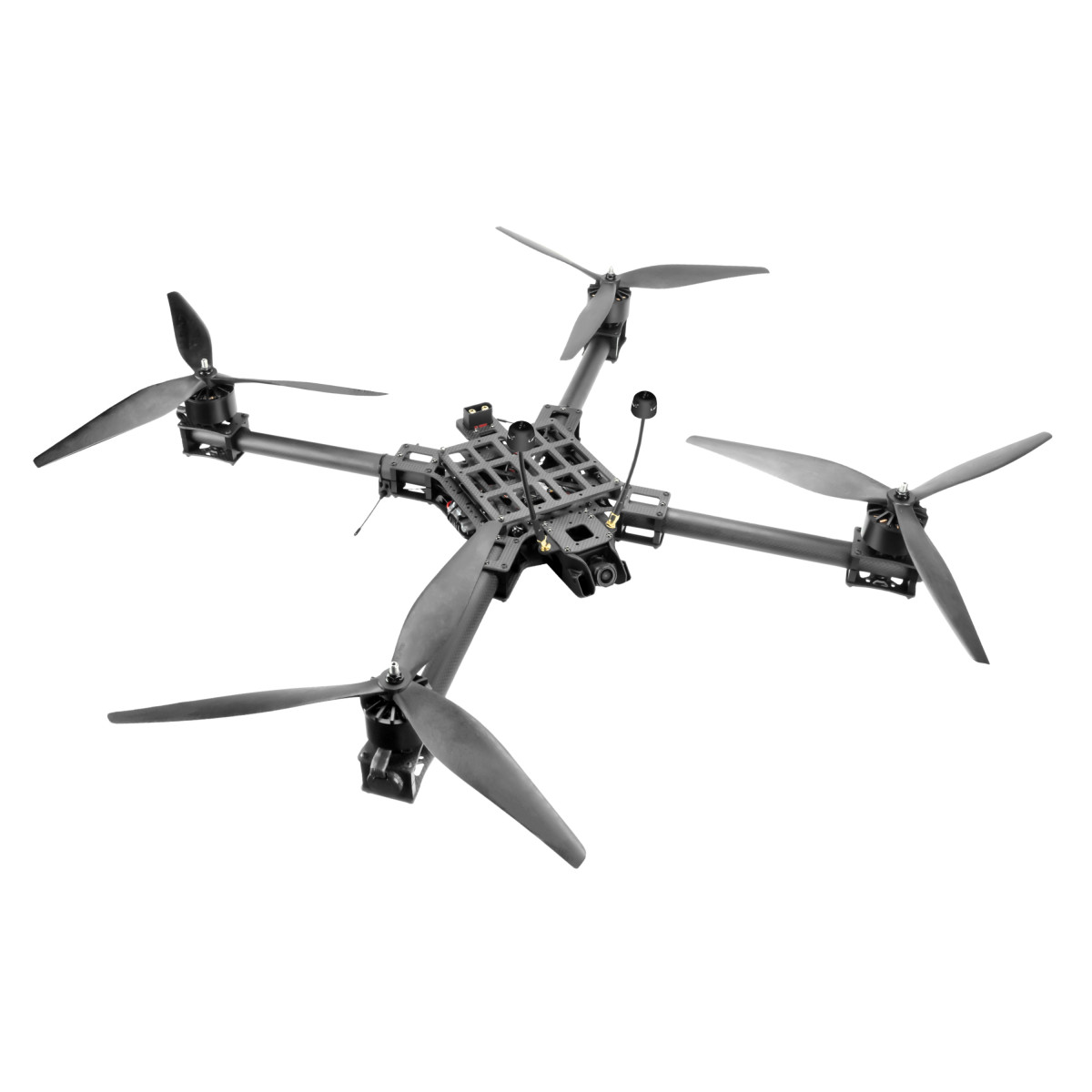

The future of unmanned ground vehicles (UGVs) is increasingly shaping the way industries, defence sectors, and research communities approach automation and operational efficiency. These vehicles, designed to operate without an onboard human driver, are rapidly evolving from experimental platforms to practical tools that can perform tasks in environments too hazardous, complex, or monotonous for humans. The growing demand for UGVs is being driven by the convergence of advanced robotics, artificial intelligence, and sophisticated sensor technologies that allow these systems to navigate, make decisions, and interact with their surroundings autonomously or semi-autonomously.
UGVs are no longer confined to military applications. While defence has historically been the primary driver for unmanned vehicle technology, the commercial and industrial sectors are now adopting these systems to increase productivity, reduce risk, and optimize resource usage. In logistics, agriculture, and critical infrastructure inspection, UGVs are demonstrating the ability to handle repetitive or dangerous tasks more efficiently than human operators. As AI continues to advance, UGVs are becoming capable of adapting to dynamic conditions, performing complex manoeuvres, and even collaborating with other autonomous systems in fleet operations.
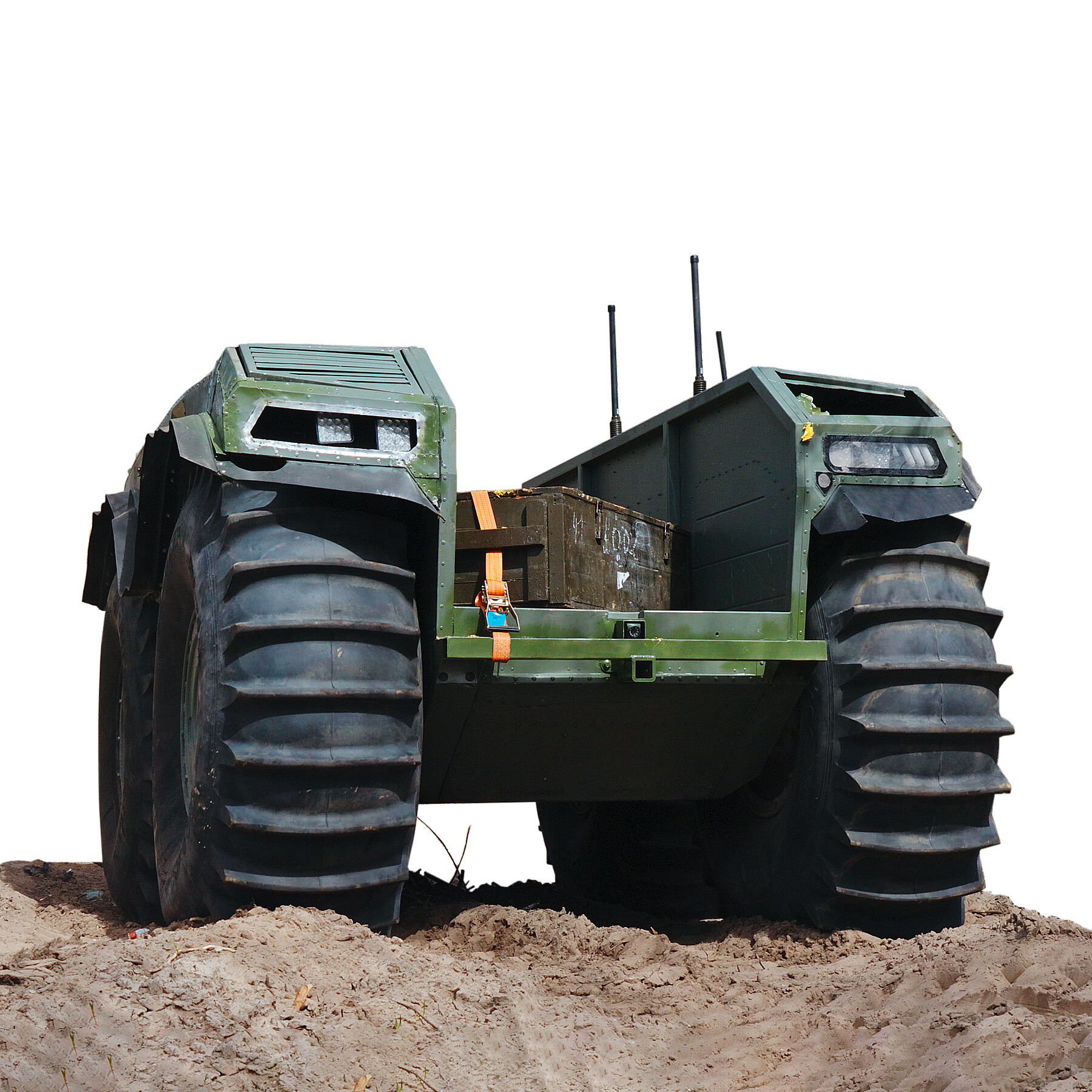
One of the standout examples of modern UGV technology is the Abris Unex, a platform that we at i-Disti are proud to supply. The Abris Unex UGV combines rugged mobility with advanced onboard processing to tackle a wide range of operational challenges. Its modular design allows for different payloads and mission-specific equipment, making it a versatile solution for both testing and real-world deployments. The platform’s adaptability ensures that users can modify it for surveillance, reconnaissance, logistics support, or experimental research, giving organizations a flexible foundation on which to explore the future of autonomous ground operations.
Safety and reliability are central to the adoption of UGVs across sectors. The integration of high-resolution cameras, LiDAR, and advanced navigation algorithms allows vehicles like the Abris Unex to traverse complex terrains, avoid obstacles, and maintain stable operations even in unpredictable environments. These features are particularly critical in defence and industrial applications where the cost of error can be significant. By minimising human exposure to dangerous conditions and automating labor-intensive tasks, UGVs are redefining operational risk management and providing a platform for more strategic human decision-making.
Looking ahead, the development of autonomous ground vehicles will continue to be shaped by advancements in AI, machine learning, and sensor fusion. Future UGVs are likely to feature enhanced autonomy that allows them to coordinate with other unmanned systems, share data in real time, and adapt their behaviour based on predictive models. This evolution will be particularly impactful in military scenarios, disaster response, and large-scale industrial operations, where rapid situational awareness and autonomous decision-making can significantly improve outcomes. The Abris Unex UGV exemplifies the potential of these emerging technologies, offering a glimpse into a future where unmanned systems work seamlessly alongside human operators to achieve objectives with higher efficiency, safety, and precision.
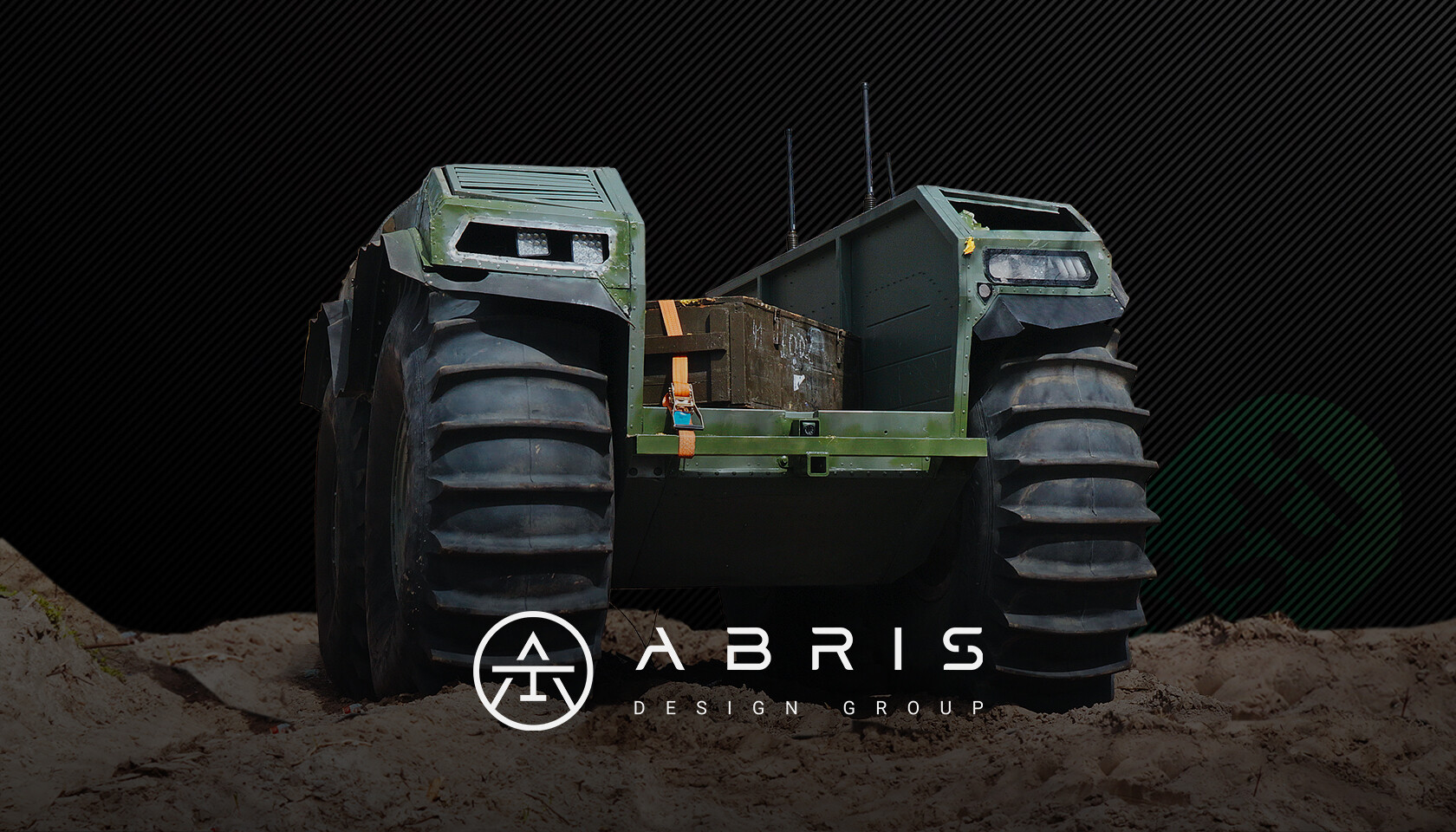
abris brand unmanned ground vehicles
As UGVs become more capable and accessible, their adoption will continue to expand across industries and geographies. Innovations in power systems, communication networks, and AI-driven autonomy will allow vehicles to operate for longer durations, cover greater distances, and perform increasingly complex tasks without direct human supervision. The role of suppliers like i-Disti is critical in bridging the gap between technological capability and practical deployment, ensuring that organisations have access to reliable, cutting-edge platforms such as the Abris Unex. By equipping teams with these advanced tools, we are not just supplying vehicles; we are enabling a new era of operational capability where unmanned systems enhance human potential and redefine what is possible in both commercial and defence applications.
The trajectory of unmanned ground vehicles suggests a future where these systems are integral to everyday operations across multiple domains. From supporting industrial automation to enhancing situational awareness in high-risk environments, UGVs are poised to become indispensable assets. The Abris Unex UGV is a prime example of how modern engineering and innovative design converge to create versatile, reliable, and highly capable platforms. As technology continues to progress, we can expect these vehicles to take on more autonomous responsibilities, reduce operational risk, and drive efficiencies that were previously unattainable, making them a cornerstone of modern and future operational strategies.


