
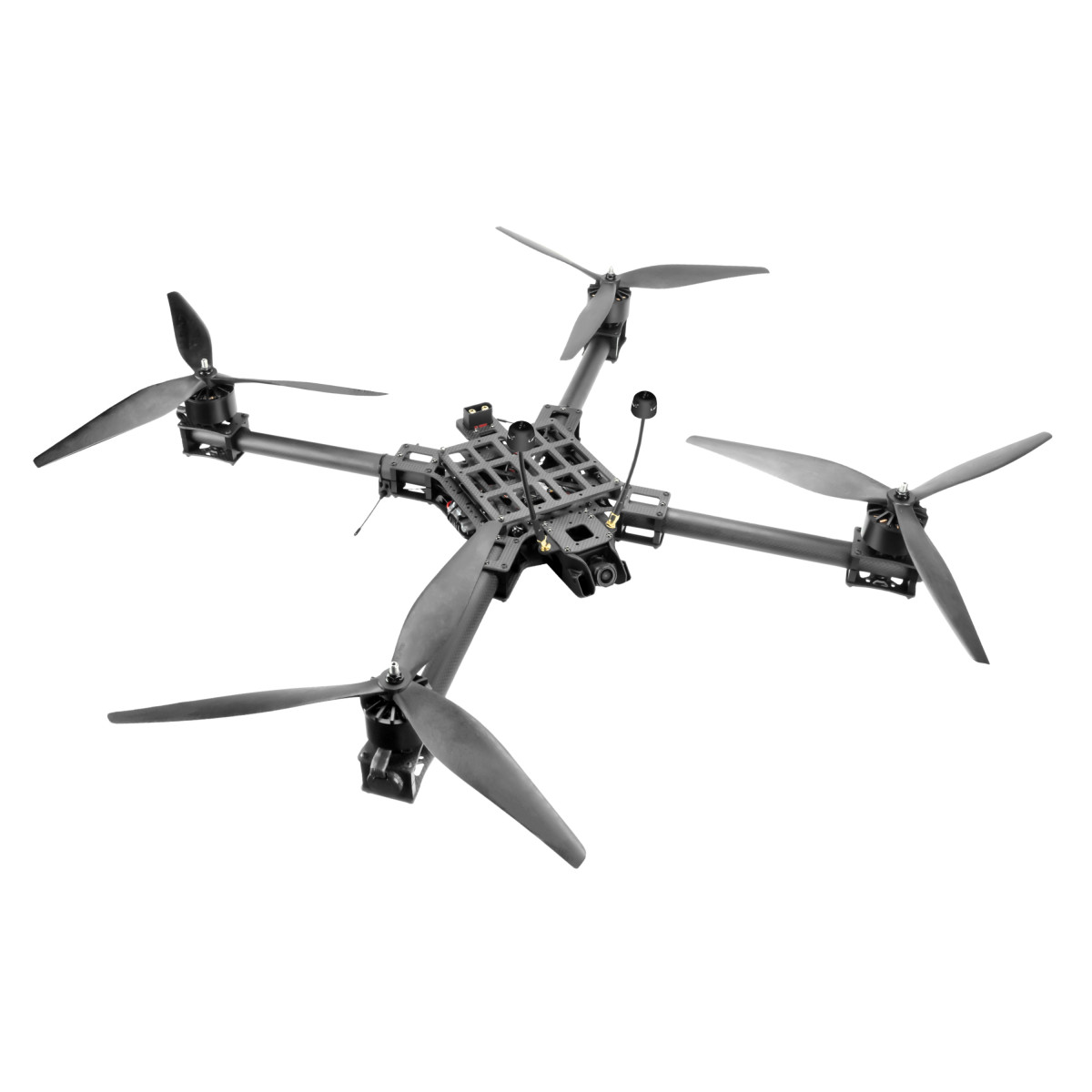
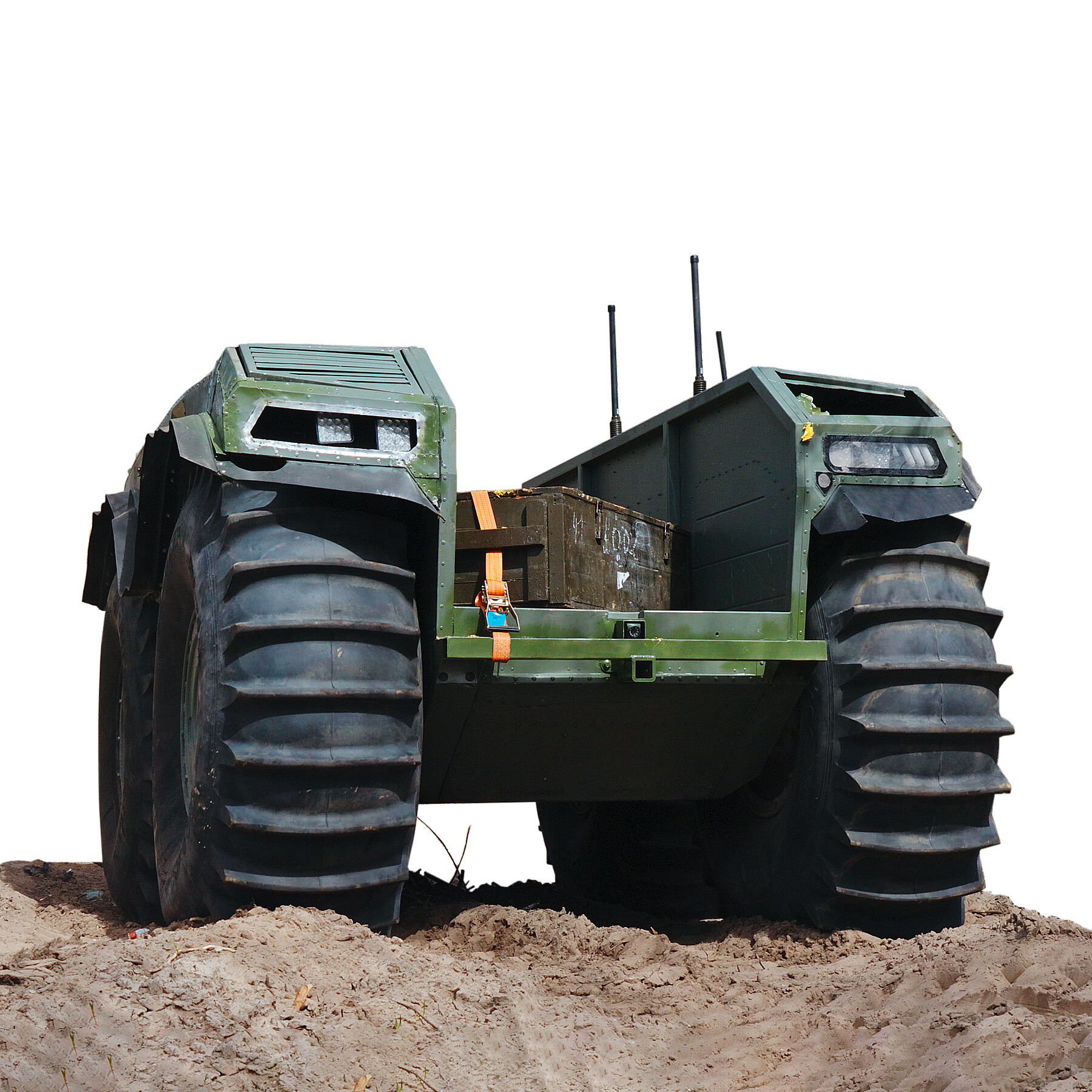

Air superiority used to mean fast jets and long-range SAMs. Today, it starts much lower. Tactical UAVs operating below 1,000 feet provide the persistent ISR, EW presence and sensor-to-shooter speeds that dictate tempo. If you don’t control the low-altitude layer, you don’t control the fight.
The Low-Altitude Layer: Where Decisions Are Made
Below 1,000 feet, drones bypass radar horizons, exploit terrain masking and see what the strike aircraft cannot. They close kill chains by minutes, not miles – spotting, classifying and cueing fires with near-zero latency.
Force-Multiplying Roles
• Persistent ISR: Continuous overwatch turns hunches into precision.
• EW Presence: On-demand jamming/spoofing shapes the EM battlespace without exposing crews.
• Comms Relay: Temporary aerial nodes extend secure comms into folds and canyons.
• Targeting: Real-time coordinate generation and laser designation compress the fires process.
Fleet Design: From Single Airframes to Capability Layers
Winning forces field mixed fleets: multirotors for urban micro-ISR, fixed-wing for endurance, VTOL for austere launches. The key is orchestration—tasking the right airframe for the mission window, with shared data and common control.
Counter-Measures and Survivability
Low altitude is hostile. Survivability depends on low acoustic/RCS signatures, emission control, burst transmissions, and autonomous route planning through clutter. Build for GNSS denial and link-loss behaviours as standard.
Procurement Implications
Buy fleets, not flags. Specify interoperability, shared datalinks, common batteries where possible and a fusion-first ground picture. Prioritise upgrade paths for autonomy and EW payloads – threats will evolve mid-programme.
Strategic Takeaway
Air superiority now starts with who owns the low-altitude layer. Tactical UAV fleets that see first, jam early and cue accurately will set the tempo – and the terms – of the fight.
Building low-altitude dominance? i-Disti can help structure mixed fleets and align sensor/EW payload options to your concept of operations.


