
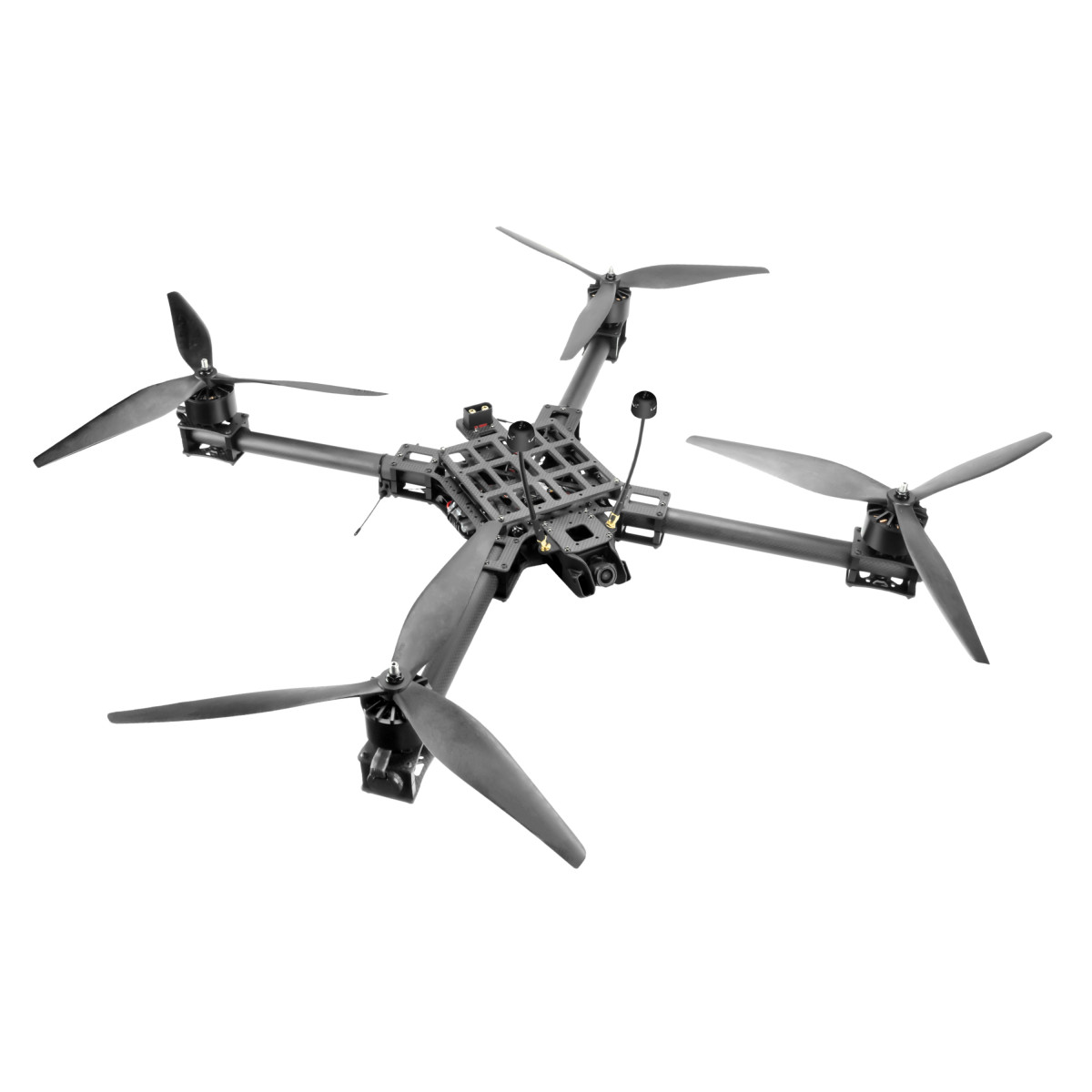
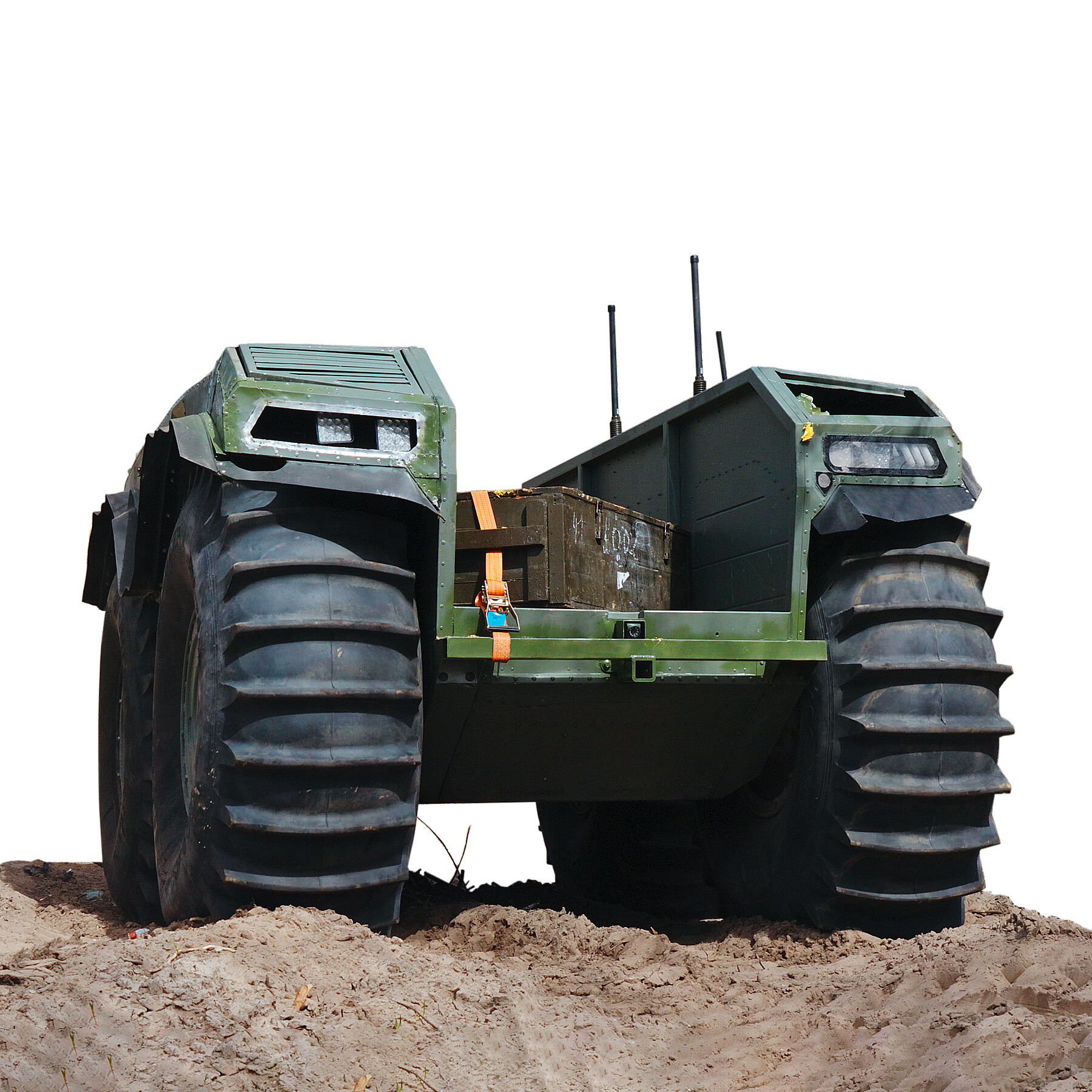

Tactical UAVs are no longer single-mission tools. Modular payloads let commanders re-role aircraft across ISR, EW, comms relay and kinetic support within hours. The capability you field today won’t be the capability you need tomorrow—so build for swap speed and software-first upgrades.
The Payload Stack
• EO/IR Turrets: Day/night identification, radiometric options for targeting.
• EW Pods: GNSS denial, RF sensing, comms attack under ROE.
• Comms Relay: Extends C2 and data links over complex terrain.
• Mapping/3D Models: Tactical planning, battle damage assessment.
• Specialist Kits: Loudspeakers, beacons, delivery pods where lawful.
Integration: Where Programmes Succeed or Fail
Mechanical mounts are easy; data and power integration is not. Plan for payload power budgets, digital interfaces, time synchronisation, and deterministic latencies. Standardise connectors and message schemas to avoid vendor lock-in.
Autonomy and Onboard Processing
Edge compute reduces link load and speeds decisions. Onboard detection/classification, track initiation and cueing allow aircraft to contribute value even with degraded comms.
Roadmapping and Sustainment
Write a payload roadmap into the programme: quarterly software drops, annual sensor refresh options, and a sandbox for new integrations. Measure success by mission performance, not number of airframes delivered.
Strategic Takeaway
Modularity preserves combat relevance. Fleets that swap sensors as fast as threats change will out-adapt opponents and protect budgets.
Scoping a payload integration plan? i-Disti can help define interfaces, power/data budgets and supplier options that keep your fleets adaptable.


