
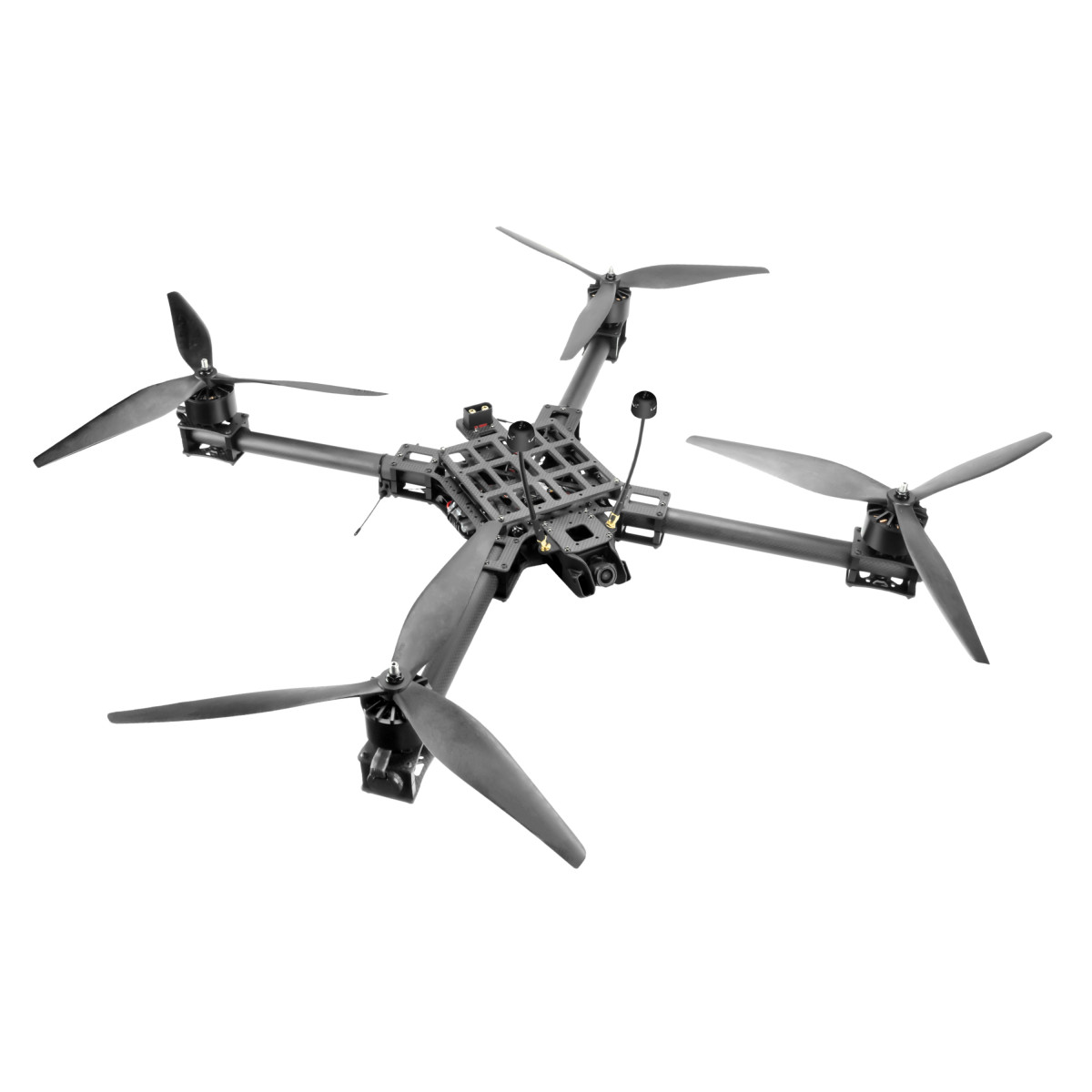
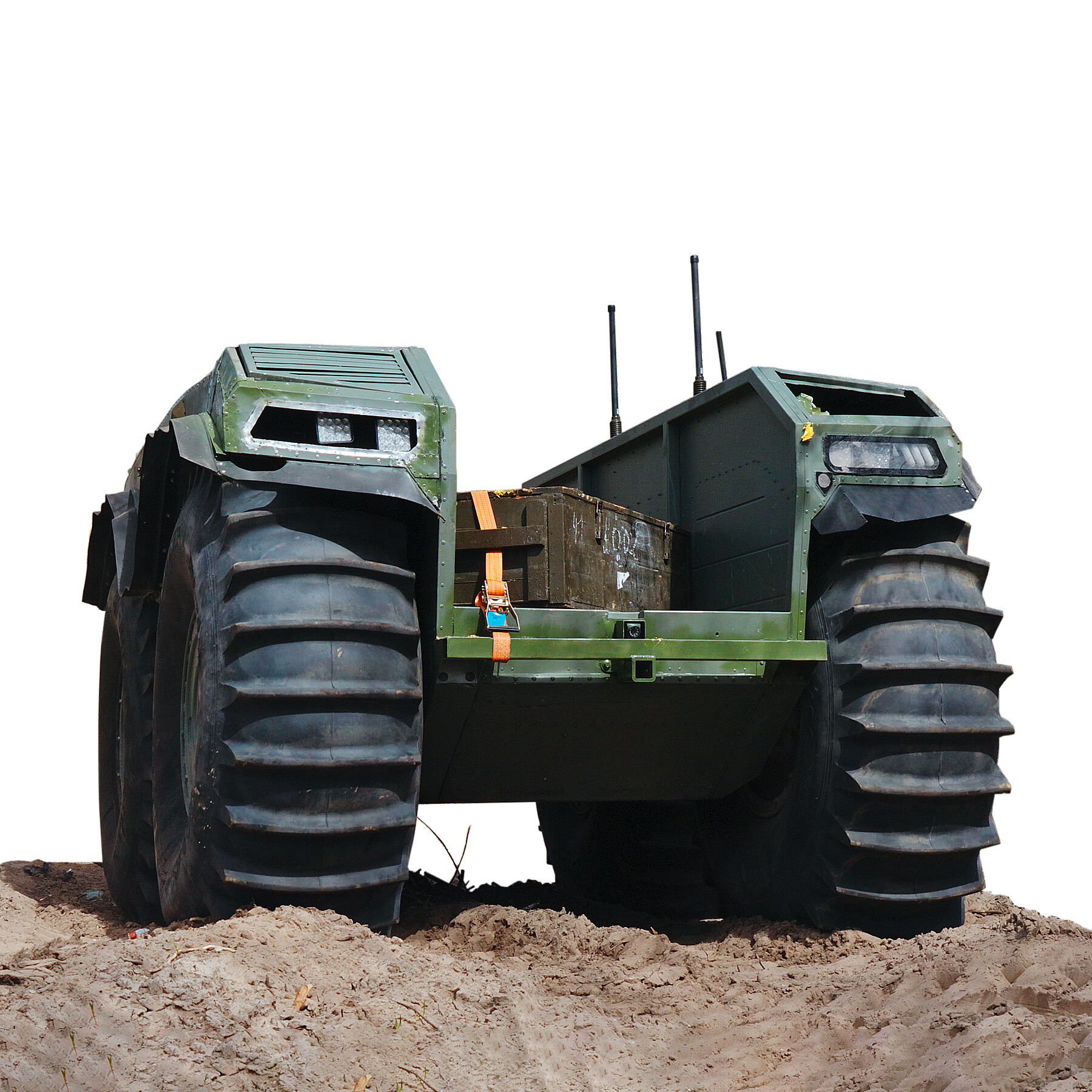

Defence forces around the world have come to recognise a hard truth: drones are no longer a niche threat — they’re a mainstream weapon system. What started as cheap commercial quadcopters used for reconnaissance or propaganda has evolved into a serious, evolving challenge for armies, critical infrastructure, and governments alike. For every new advance in drone technology, there’s now an equal and opposite rush to counter it. This has created one of the fastest growing sub-sectors in the defence industry — counter-UAS, or counter-drone technology — and it’s opening the door for distributors like i-disti to supply the next wave of detection, mitigation, and protection systems.
The modern threat isn’t just one drone in the sky. It’s hundreds of small, agile aircraft flying in from different directions, guided by operators who could be miles away or even using autonomous swarm algorithms. They can carry explosives, cameras, or electronic jamming payloads. Their low cost, small radar cross-section, and GPS guidance make them difficult to detect with traditional defence systems designed for fast-moving jets or missiles. This has forced defence ministries and private site operators to rethink how they secure airspace — and that’s where counter-drone systems come in.
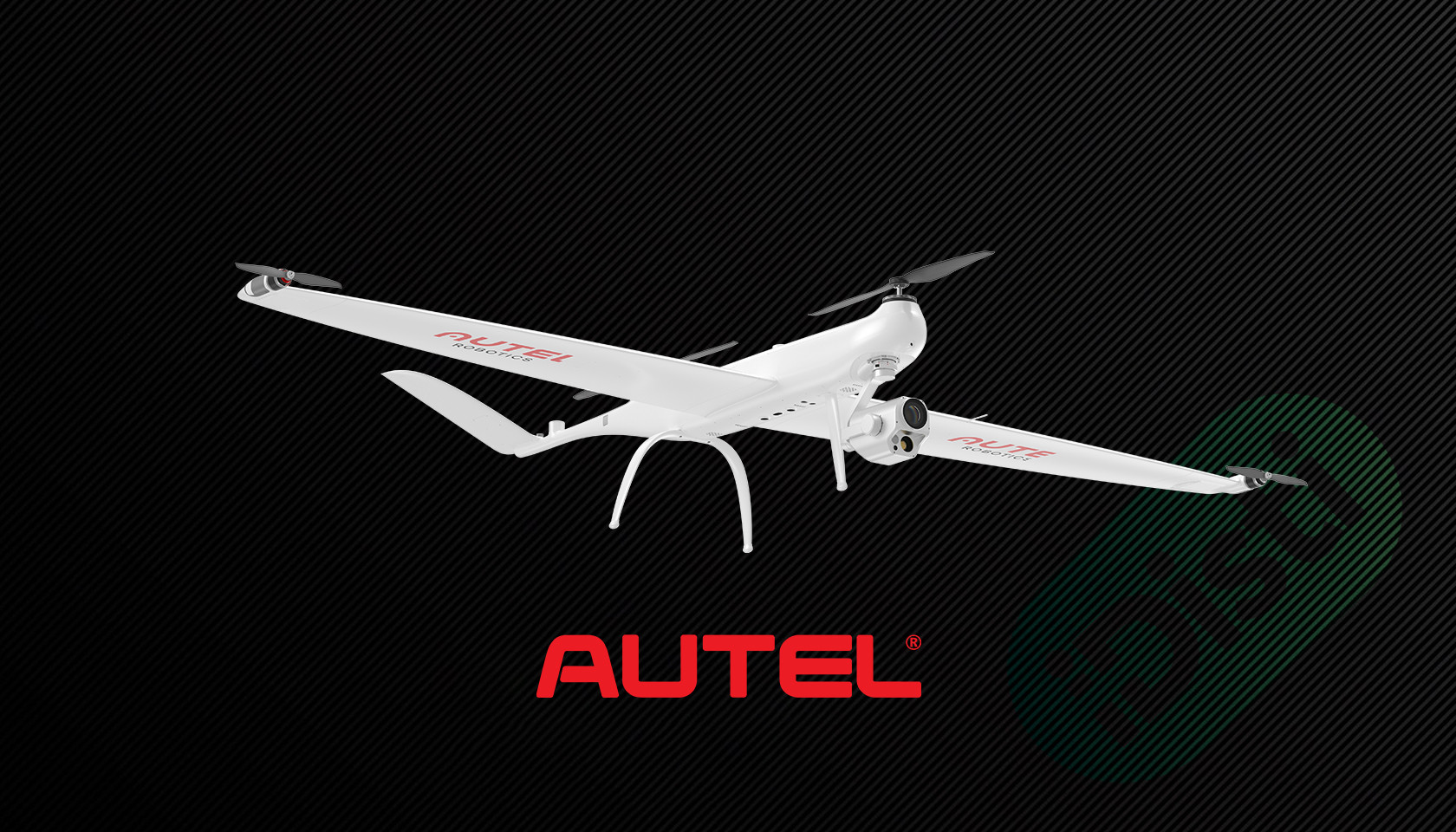
At a high level, counter-UAS technology can be broken down into three layers: detection, identification, and defeat. Detection is about finding drones early and reliably, even when they’re small, slow, or flying low. The most common methods include RF detection (listening for drone control signals), radar (tracking physical movement in the air), and electro-optical or infrared sensors (visually identifying the target). Identification comes next, using AI and signal libraries to distinguish friendly drones from hostile ones, or to pinpoint the make and model of a threat. The final layer, defeat, can take several forms — electronic jamming to disrupt control links, GPS spoofing to make the drone lose navigation, or kinetic options like directed-energy weapons or interceptor drones.
The market for these systems is expanding quickly. In the UK, NATO, and across the Middle East and Asia, defence buyers are already building dedicated counter-drone units and perimeter protection systems for airports, power plants, and military installations. Even civilian sites like oil refineries, sports stadiums, and government buildings are adopting lighter versions of these technologies. Many integrators are now looking for modular, scalable systems they can deploy across different environments — portable RF sensors for field operations, radar towers for fixed installations, and hybrid command units that fuse all detection inputs into one operating picture.
For i-disti, this presents a major opportunity. Counter-drone systems are rarely single-vendor solutions — they rely on a mix of sensors, processors, datalinks, and power systems sourced from multiple manufacturers. Distributors that can bring these together into a coherent package will have a clear advantage. Supplying components such as ruggedised RF receivers, low-latency networks, command units, or radar modules positions i-disti at the core of this emerging supply chain. There’s also potential in offering software licensing, firmware updates, and integration support — all of which provide recurring revenue beyond the initial sale.
One of the biggest selling points right now is modularity. Military and security clients no longer want fixed, proprietary systems that lock them into one vendor. They want open-architecture platforms that allow them to integrate new sensors or effectors as threats evolve. This plays directly to i-disti’s strength as a multi-brand distributor. Being able to recommend, stock, and deliver interoperable components — and providing the technical support to ensure compatibility — can make i-disti a valuable partner to both system integrators and end-users.
There are, however, challenges that come with this market. Counter-drone technology sits at the crossroads of defence, law enforcement, and telecommunications regulation. In many countries, jamming radio frequencies or GPS signals requires specific government authorisation. That means some products can only be supplied to approved end-users under strict export conditions. For this reason, distributors need to have solid compliance procedures, verified supply chains, and accurate documentation. If i-disti can help customers navigate those requirements — even by offering basic guidance or template documentation — it strengthens its position as a trusted defence supplier.
From a business perspective, the counter-UAS market also complements drone technology sales perfectly. Many buyers who purchase reconnaissance drones will also invest in protection systems for their own facilities. By offering both, i-disti can position itself as a full-spectrum supplier of drone-related technologies — covering offensive, defensive, and support systems. That’s a more balanced and resilient business model, especially as military budgets fluctuate or shift emphasis from one capability to another.
Another advantage of counter-drone technology is its dual-use nature. While much of the demand is coming from defence, there’s also growing civilian interest. Airports, energy utilities, prisons, and logistics hubs all face drone incursions that could disrupt operations or pose safety risks. Providing compact, scalable detection systems for those markets allows i-disti to diversify beyond defence contracts and build a presence in critical infrastructure security — a space that’s forecast to see strong long-term growth.
The truth is, counter-drone systems are no longer optional. As drone technology becomes cheaper and more widely available, every serious organisation — military or civilian — will need to think about airspace protection. For i-disti, that means positioning early, understanding the technologies that make up these systems, and building relationships with the right manufacturers. By doing so, i-disti can move from being a component distributor to a key enabler of one of the most urgent and strategically important areas in modern security.
If the company can master the balance between compliance, technical knowledge, and customer support, the counter-drone market won’t just be a passing trend — it will be a sustainable growth channel for years to come.


