
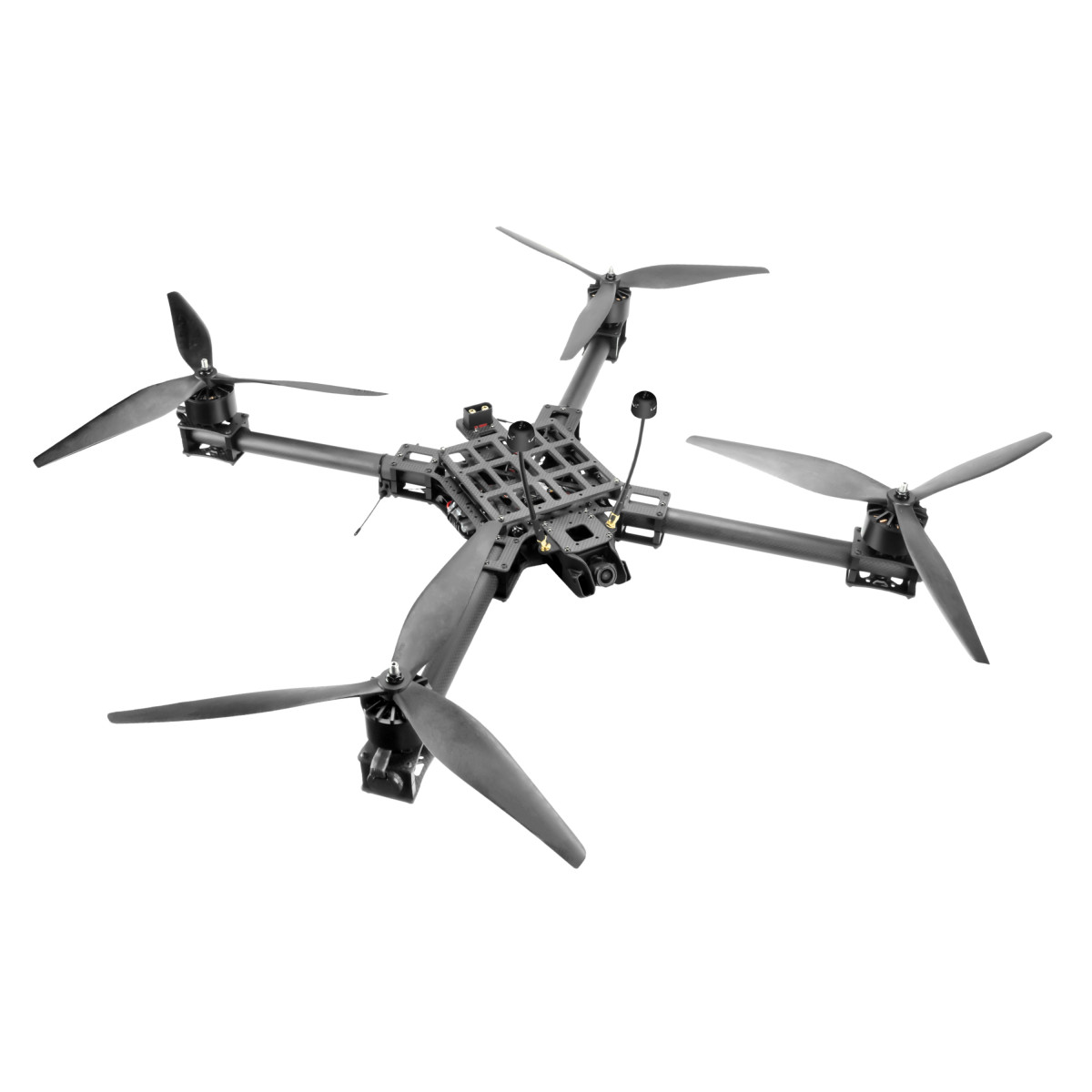
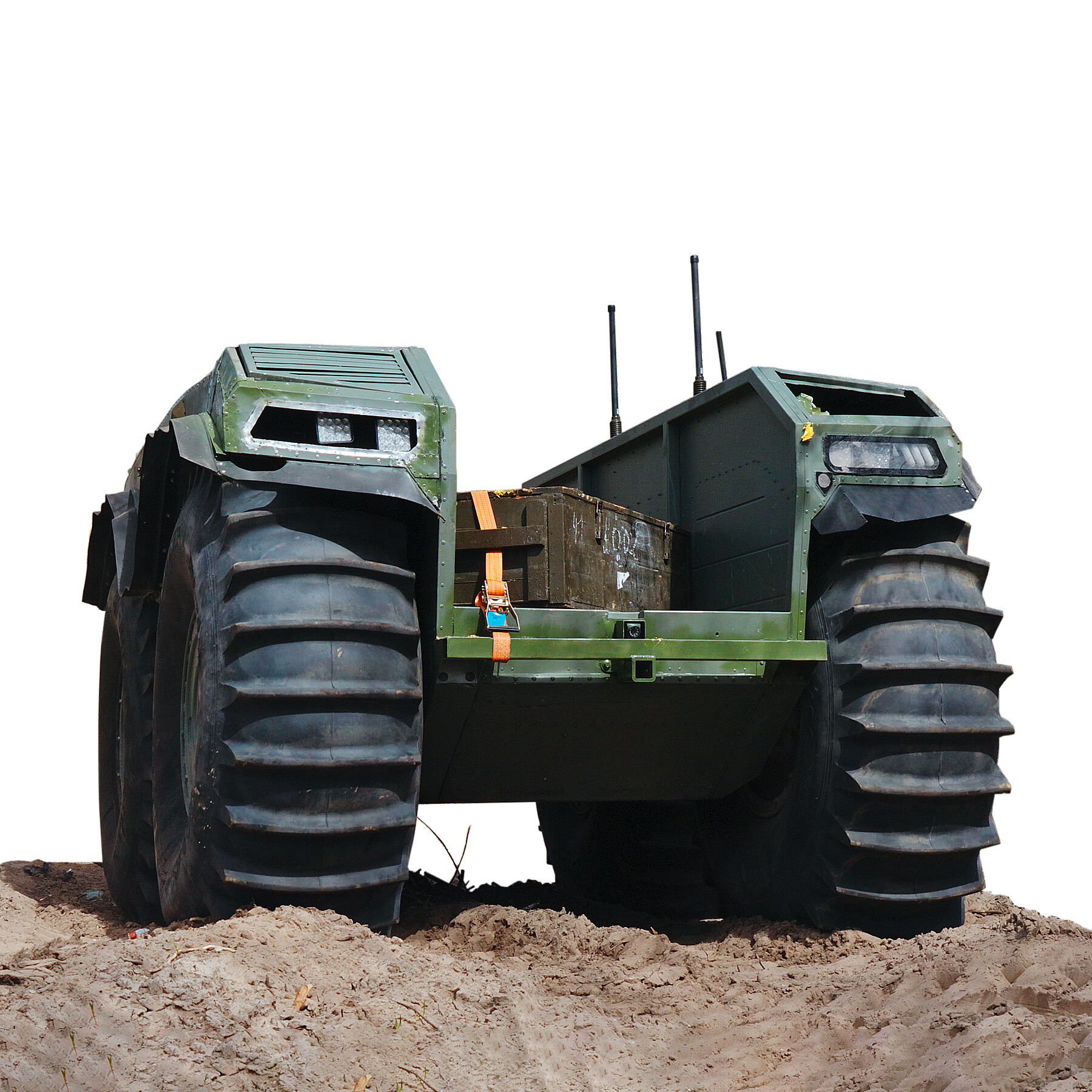

Swarms flip the economics of air defence. The only sustainable answer is procurement that buys layered sensing, automation and low-cost shots—not isolated gadgets. This is how to write requirements that survive contact.
Write Outcomes, Not Part Numbers
Specify detection probability across altitude bands, track confidence thresholds, latency budgets to engagement, and maximum average cost-per-kill. Ban vendor-specific lock-ins—buy interfaces and performance, not brands.
Contract for Fusion-First C2
Make sensor fusion and policy engines the anchor deliverable. Require timestamp standards, explainable target classification, and audit logs tied to ROE. Incentivise reductions in decision latency and false positives.
Design in Cost Discipline
Accept that you will face volume. Contract for soft-kill dominance (wide-area jamming, GNSS denial, cyber), with hard-kill reserved for leakers and HVTs. Track cost-per-kill monthly and require continuous tuning.
Scale Without Re-Architecting
Swarms demand elastic capacity. Require horizontal scaling for sites and sensors, plus vertical scaling for effectors. Federate sites through a resilient backbone with graceful degradation under partial outages.
Trial by Red Team
Before award, run realistic red-team trials: decoys, altitude stacking, emission control, and mixed payloads. Select the solution that adapts fastest, not the one that demoed best.
Strategic Takeaway
Against swarms, procurement is strategy. Buy an ecosystem that optimises detection probability, decision speed and cost-per-kill—and you’ll win on both maths and manoeuvre.
Writing a counter-swarm tender? i-Disti can help structure outcome-based requirements and shortlist suppliers that deliver layered defence in the real world.


